
Live Online Lessons or Video Feedback? Choosing the Right Format
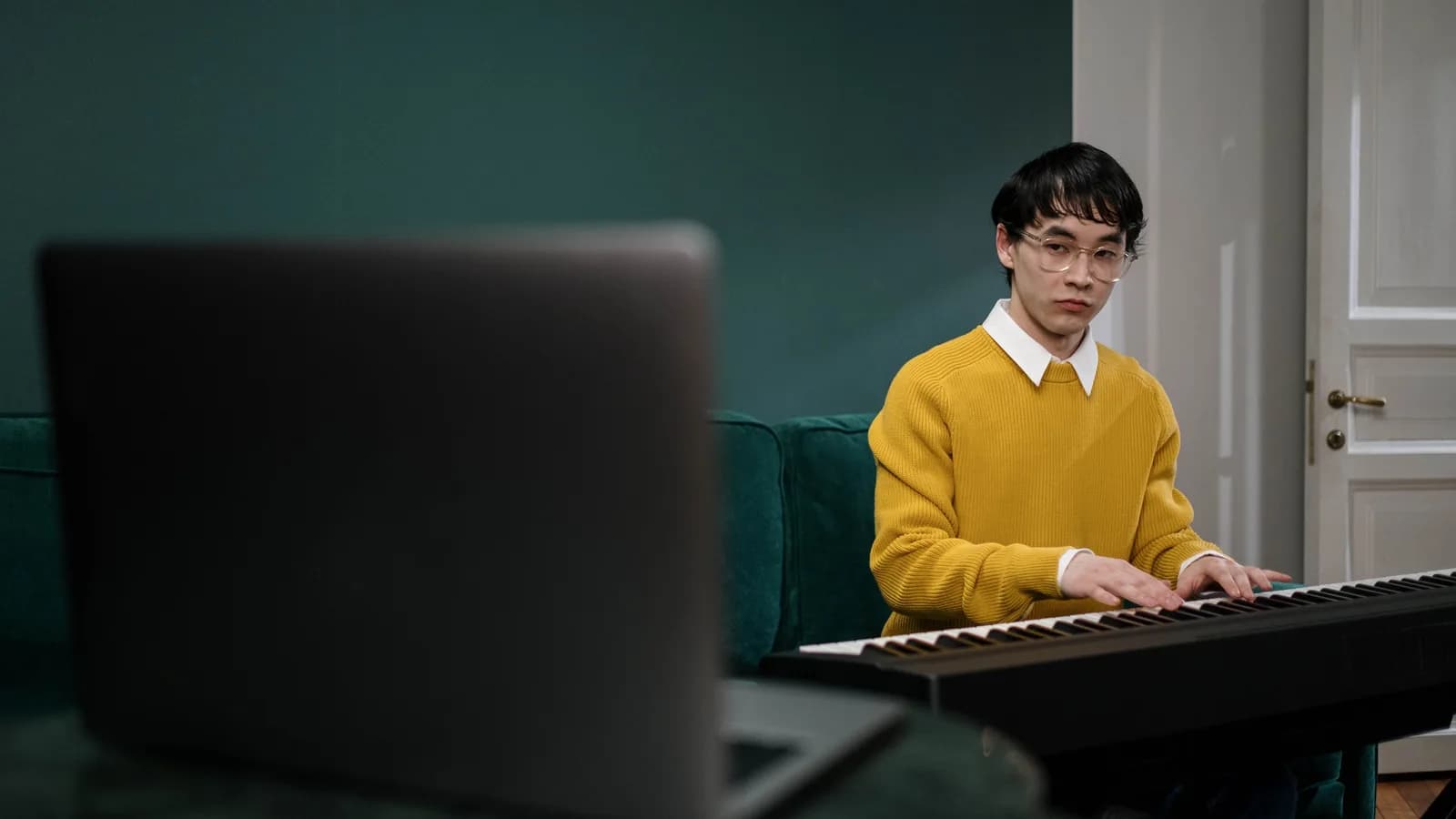
Choose a live online piano lesson when you need a teacher to ask questions, change the task and hear your next attempt during the same appointment. Submitted-video feedback can suit a specific question that a teacher can assess from a recording, especially when finding a shared lesson time is difficult. The deciding factor is often how much discussion you need between the first comment and the next useful attempt.
Both formats can involve individual teaching. Their practical differences concern when the teacher sees your playing, what information you can provide, and how you resolve a suggestion that does not make sense at the keyboard. Here is how to judge those differences for the music you are working on.
Follow the exchange from playing to the next attempt
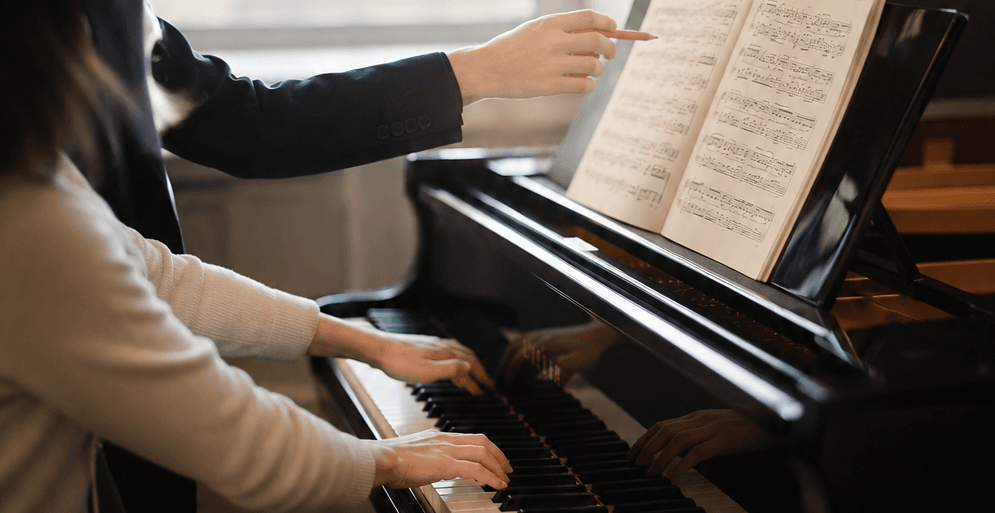
In a live lesson, you and the teacher meet at an agreed time. You play, discuss what happened and test a change while the teacher is still listening. A question about fingering can lead to a closer camera view; a question about rhythm can lead to a shorter passage or a different way of counting.
With submitted-video feedback, sometimes called asynchronous teaching, you record your playing and send it for review. The teacher responds later, perhaps with a video demonstration, spoken comments or written notes. You work with that response and, if the arrangement includes it, submit another attempt or ask a follow-up question.
An individually reviewed recording is different from watching a general tutorial: the teacher is responding to your performance. Equally, a library of prerecorded lessons does not automatically include individual feedback. Check what the particular arrangement actually provides.
Both formats can give personal feedback. The time between a suggestion and its result is different.
Live lesson
In one appointment
1.Play
Show the passage as it is.
2.Discuss
Ask, demonstrate, adjust the task.
3.Try again
The teacher hears the change.
4.Plan
Agree what to practise next.
Video feedback
At separate times
1.Send
Record a passage and question.
2.Receive
The teacher reviews and replies later.
3.Try again
Apply the response at your piano.
4.Follow up
Ask or resubmit as agreed.
Submission length, response time and follow-up vary by arrangement. This diagram does not set service terms.
The passage speeds up, but the cause is unclear
- Live lesson
- The teacher can ask for the rhythm alone, then hear the original notes again during the call.
- Video feedback
- A clip shows the result. Further information may need another recording, so check the follow-up arrangement.
Two pedal choices need comparing
- Live lesson
- Play both choices and discuss what the teacher hears, adjusting the sound setup if needed.
- Video feedback
- Label the two versions and keep the recording setup consistent. The teacher can replay the comparison.
The phrase needs a clearer musical direction
- Live lesson
- Discuss where the phrase goes, try a demonstration and clarify the instruction immediately.
- Video feedback
- Replay a recorded demonstration while practising. Agree how to clarify it or show the next attempt.
The two sequences share a crucial final step: somebody needs to establish whether the suggested change helped. In a live session, that can happen before the call ends. With submissions, it depends on your own listening and the agreed opportunity for another exchange.
A live lesson helps when the question keeps changing
Imagine that a phrase accelerates before its highest note. The first question might be whether the pianist hears the pulse clearly. The teacher could ask for the rhythm on one note, then the left hand alone, then the phrase with its original notes. Each attempt supplies information for the next instruction.
A recording can reveal the acceleration too. The live advantage is that the teacher can immediately investigate several possible explanations instead of having to request another clip. That matters when the difficulty is easy to hear but its cause is still unclear.
It also matters when a suggestion needs translating into an action. “Let the melody sing” might require a demonstration, a discussion of the phrase's destination, or a comparison between two balances. You can ask what to listen for, try it and find out whether the teacher heard the change you intended.
Beginners and returning players may find this useful because deciding what to ask is itself part of learning. An experienced player can need the same exchange when a familiar solution stops working. The level of the piece alone does not decide the format. Our guide to what happens in an online classical piano lesson describes this work in more detail.

One-to-one classical piano
Beginner to advanced. Online, worldwide.
Enea
Concert pianist from Vienna
30 minutes · Tokyo studio from October 2026
A recorded response can give one question room to develop
Submitted feedback can work well when you already have a clear task and can show enough context. For example: record the same phrase with two pedal choices, identify the measures, and ask which version lets the change of harmony come through more clearly. The teacher has a defined comparison to assess.
A video response can be paused and replayed. You can return to the precise demonstration while practising, rather than relying on a memory of what was said. Written comments can also be kept beside the score. Whether either form remains accessible, and for how long, depends on the arrangement.
Preparing a submission can sharpen your own attention. Listening once before sending may reveal that the left-hand entry is obscured, or that the camera misses the fingering you wanted to discuss. A short, representative attempt is usually more useful for a practice question than repeatedly filming until every sign of difficulty disappears.
The limitation comes when the response raises another question. Perhaps the teacher cannot see the relevant movement, or the suggested fingering changes the problem elsewhere. A useful submission arrangement has a clear way to ask for clarification and, where included, show the result. A long response is not automatically a complete exchange.
Sound and camera position affect both formats
A file recorded on your device can avoid interruptions caused by a live connection at the moment of playing. It gives the teacher something to revisit. That makes a recording useful when an important detail was obscured during a call.
It still captures the piano through a microphone, in a room, using particular recording settings. Loud notes can distort, quiet notes can be masked, and the balance in the file may differ from what you hear at the bench. Uploading a recording does not by itself guarantee a faithful account of tone or dynamics.
Live-call settings need similar care. Zoom, for example, offers an Original sound for musicians option that turns off noise suppression. The appropriate settings depend on the device and surroundings, so test both speech and piano. If soft playing disappears or sustained notes are cut short, check the sound reaching the teacher before treating it as a playing problem. The online piano lesson setup guide covers the practical checks.
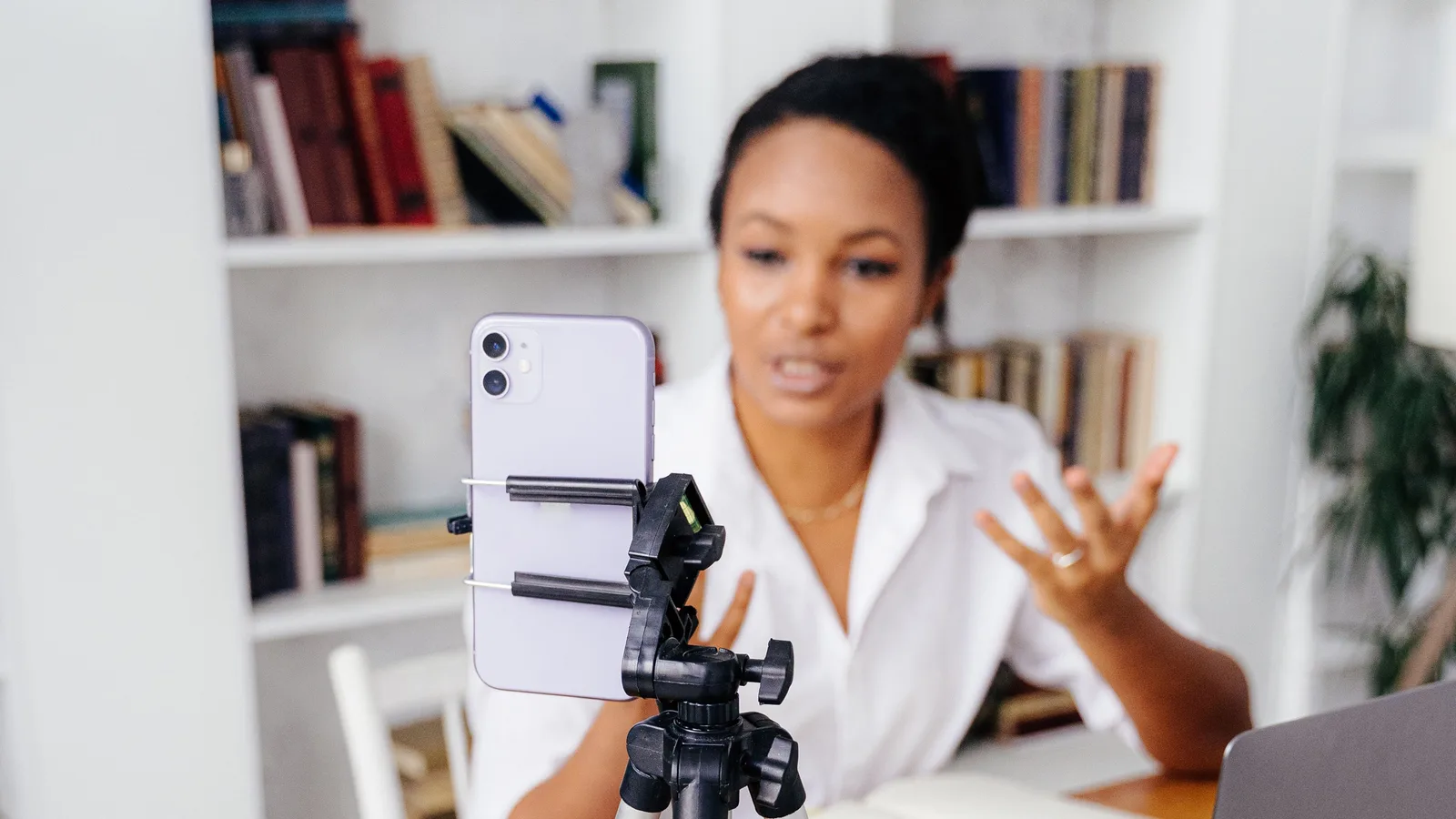
The camera should show what the question requires. A close view may clarify fingering while hiding the arm's approach; a wider view may show movement while making individual fingers difficult to distinguish. In a live lesson, the teacher can request an adjustment. For a submission, watch the clip before sending and check that the relevant detail stays in frame.
Neither format lets the teacher feel how your instrument responds. Describe anything important that the picture and sound do not convey, and avoid assuming that a different camera angle will answer every question.
Fit the feedback into the time you actually have
A live appointment gives the week a definite point of contact. It requires a shared time when you can sit at the piano, hear clearly and take part. For international lessons, agree the time in both locations and check it again when daylight-saving arrangements change.
Submitted video separates your playing time from the teacher's review time. That can help with shifts, travel or a large time difference. It still needs time for recording, uploading, studying the response and trying the work. Flexibility is useful only if the exchange fits into a practice routine you will follow.
Before choosing a submission service, establish a few practical details:
- How long may the recording be, and what context should accompany it?
- When should you expect a response, and what happens around holidays?
- Are clarification questions and a further attempt included?
- Who can access the recordings, and how long can you revisit the response?
For a live arrangement, check scheduling, rescheduling and what happens if a connection fails. If you want to record a lesson, agree permission and access beforehand; recording is not an automatic part of every lesson.
Compare what you can actually use: the teacher's attention, the opportunity to test an instruction, and the follow-up included. A video duration and a lesson duration describe different activities and cannot settle that comparison on their own.
Live teaching and recordings can support the same goal
The choice does not have to be permanent. A local recording can be a useful reference within ongoing live study. For instance, you might bring a phrase from an earlier practice session to discuss, then use the live lesson to test what changes its shape. Later, another recording can help you compare the result for yourself.
The roles should be clear. The recording preserves one attempt; the conversation helps decide what to try next. Sending extra files without an agreed review arrangement can leave both people with different expectations, so establish whether the teacher will review a clip during the lesson or separately.
Keep the material focused. Name the work and measures, include enough music before and after the problem, and describe one question. If you present two versions, say what you changed. The point is to make the musical difference possible to assess.
This can support demanding repertoire as well as foundation work. In serious piano study online, progress depends on turning observations into changes that can be heard and repeated independently. Recordings and conversation can each contribute, provided there is a clear next step.
Choose the kind of contact your current playing needs
Start with the question you would bring to a teacher. If it is still broad, such as an awkward passage whose cause you cannot identify, a live lesson offers room to investigate. If you can present a specific musical comparison and are comfortable applying a response independently, submitted feedback may fit, subject to the available follow-up.
Also consider how you learn from explanations. Being able to replay a demonstration may matter greatly; being able to ask a question while trying it may matter more at another stage. Choose around the support you need now, then reassess after you have used it.
Vienna Piano School currently offers live individual piano lessons online. If you would like help identifying what is getting in the way of your playing, enquire about a free 30-minute trial lesson. Share your experience, current repertoire and the question you want to explore. Any use of recordings alongside lessons should be agreed with the teacher; a separate submitted-video service is not listed in our current offer.