
Can You Start Piano Lessons Without a Piano at Home?
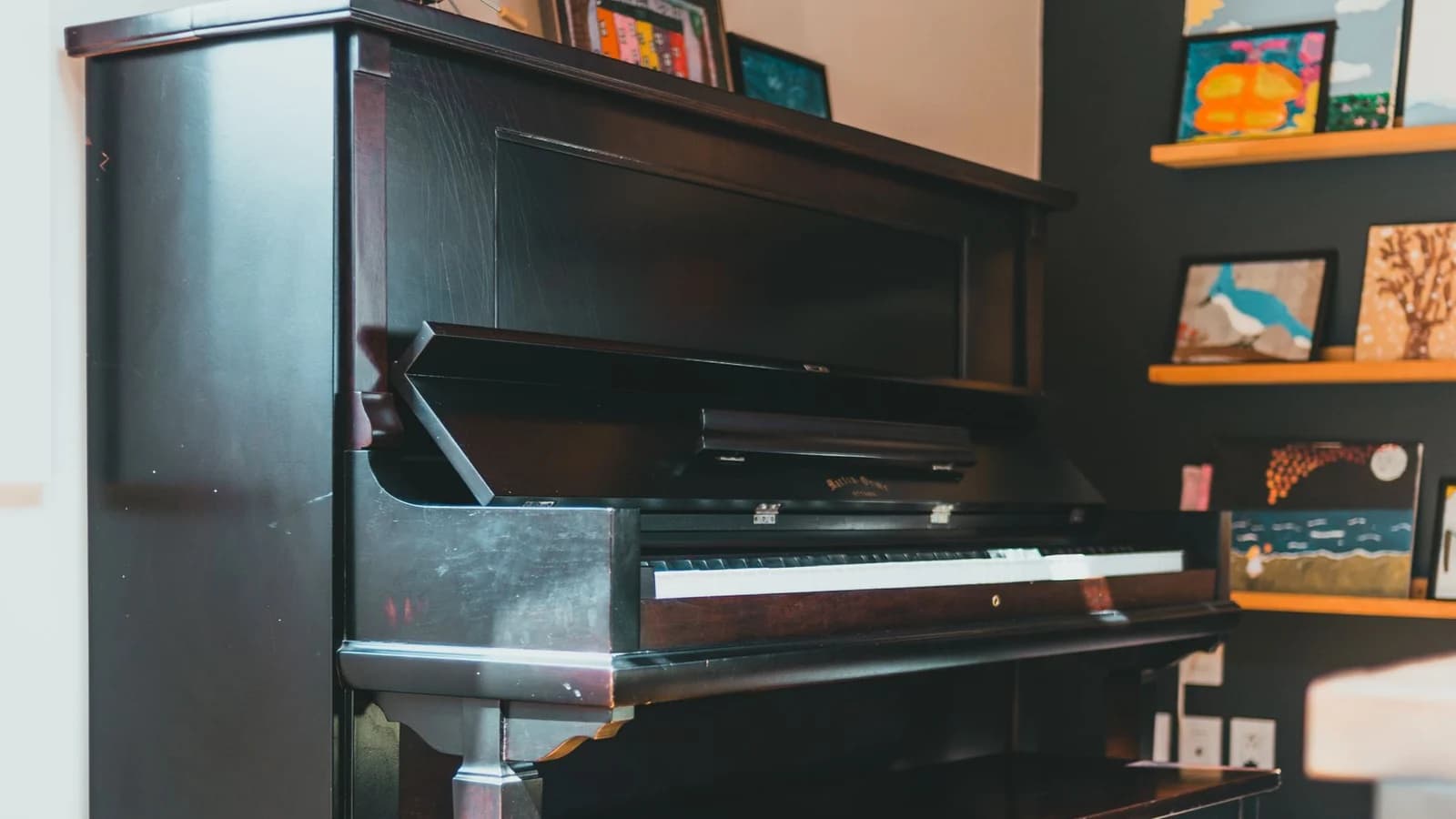
You can start piano lessons without owning a piano, provided you can return to a suitable instrument between lessons. A borrowed piano, a regularly booked practice room or a digital piano on loan can provide that access. The decisive question is where you will play after the lesson, when the teacher is no longer beside you.
I would rather discuss a real arrangement for two or three visits than hear a promise to practise every day on an instrument that has not been found yet. At the same time, I want the student to know what those visits are for: hearing a phrase again, trying the movement we explored, and discovering which part still needs help. A lesson starts that work; the next encounter with the piano gives it somewhere to develop.
Before committing to regular lessons, establish four things:
- Which instrument you can use, including its keyboard and seating.
- When you can return to it in an ordinary week.
- What the room, travel and booking arrangements will cost in time and money.
- Whether the same access is likely to continue beyond the first few visits.
Practice between lessons
In a first lesson, a beginner might find groups of two black keys, locate C, play a short melody and learn to hear whether its notes join smoothly. Much of this is understandable in the room. A few days later, sitting at another instrument, the same student may hesitate over the starting note or discover that one finger produces a much louder sound than the others.
Those discoveries belong to learning. They give the next lesson something to address. Without any opportunity to play between appointments, the teacher spends more time re-establishing the previous encounter, and the student has fewer chances to listen independently.
For a prospective student, I would separate a first exploratory lesson from a continuing course of study. An initial lesson can help you judge the instrument and the teaching. Continuing lessons call for an access plan that you have actually tried. There is no universal number of weekly minutes that settles the question: the music, the learner and the length of the gaps all matter.
Someone learning a short one-hand melody can work with different access from a returning pianist rebuilding a Beethoven sonata. Tell the teacher both what you hope to play and what your week permits. That conversation should influence the first assignments, not merely the choice of lesson day.
Borrowed pianos and practice rooms
A friend's piano can be a good starting point when the invitation includes a dependable time. “Come whenever” often needs a second conversation. Agree which days suit the household, whether someone must be home, and how long you can play. A Tuesday visit after work is a firmer basis for lessons than occasional access during social visits.
Try the instrument before relying on it. Listen for keys that fail to sound, notes that continue after release, or a piano so far out of tune that a simple melody becomes hard to judge. Check that the seat lets you reach the keyboard comfortably. An available piano and a usable practice place are two parts of the same decision.
Booked rooms put the arrangement on a different footing. Look at the actual hours you can attend, the minimum booking length and the cancellation terms. A room near work may be useful for a short visit before going home. A room across the city may turn every practice session into an expedition, even if its hourly fee is lower.
Libraries and community facilities sometimes offer access too. For example, Toronto Public Library's North York Central Library offers a piano room free of charge, with a valid library card required, a one-hour daily booking allowance and reservations up to seven days ahead. That is a specific local service with booking conditions, rather than an assumption that any public piano is available for private study. Check the current service page before travelling.
A station or shopping-centre piano is enjoyable for playing something through. Its uncertain availability and public setting make it a different proposition from a place where you can repeat two hesitant bars twenty times. Build the regular arrangement around a setting that permits the kind of practice your current music needs.
Where the next practice happens
A borrowed piano
A regular invitation
A relative’s piano on agreed evenings, with time to repeat small passages.
Can the household keep offering those times over the next month?
A booked room
Visits built into your route
A practice room near work, booked before you travel there.
Are suitable hours available, with the full journey and hire cost included?
A home keyboard
Short moments across the week
An instrument on a stable stand, ready when a brief opportunity appears.
Does it suit the music, and can you play at the times you are home?
Bring your access plan to the first lesson
Write the instrument, the days you can use it and the time available for playing. Include any booking limit or date when the arrangement ends.
Add one musical aim, such as learning a first melody or returning to a piece you once played. Discuss the aim and the available piano time together.

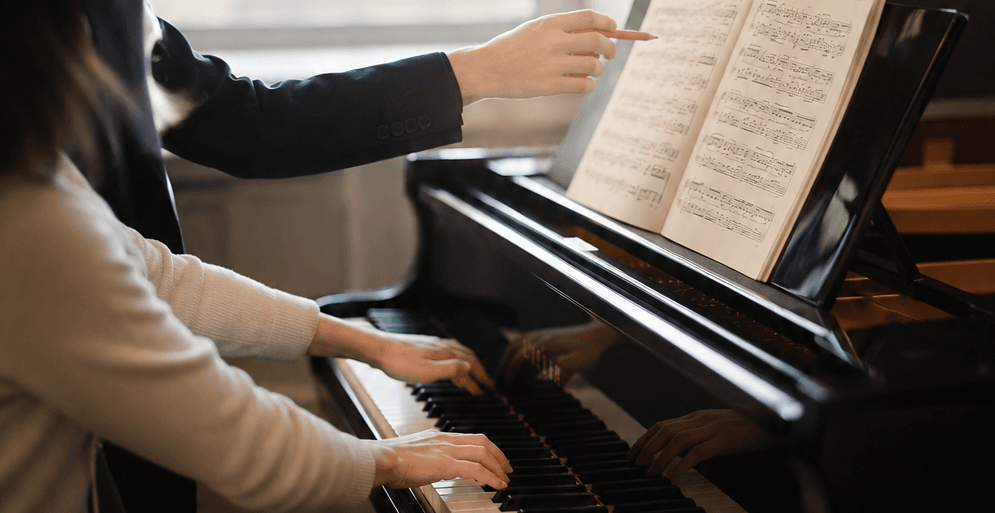
One-to-one classical piano
Online, worldwide. US$40 / 60 min · US$60 / 90 min.
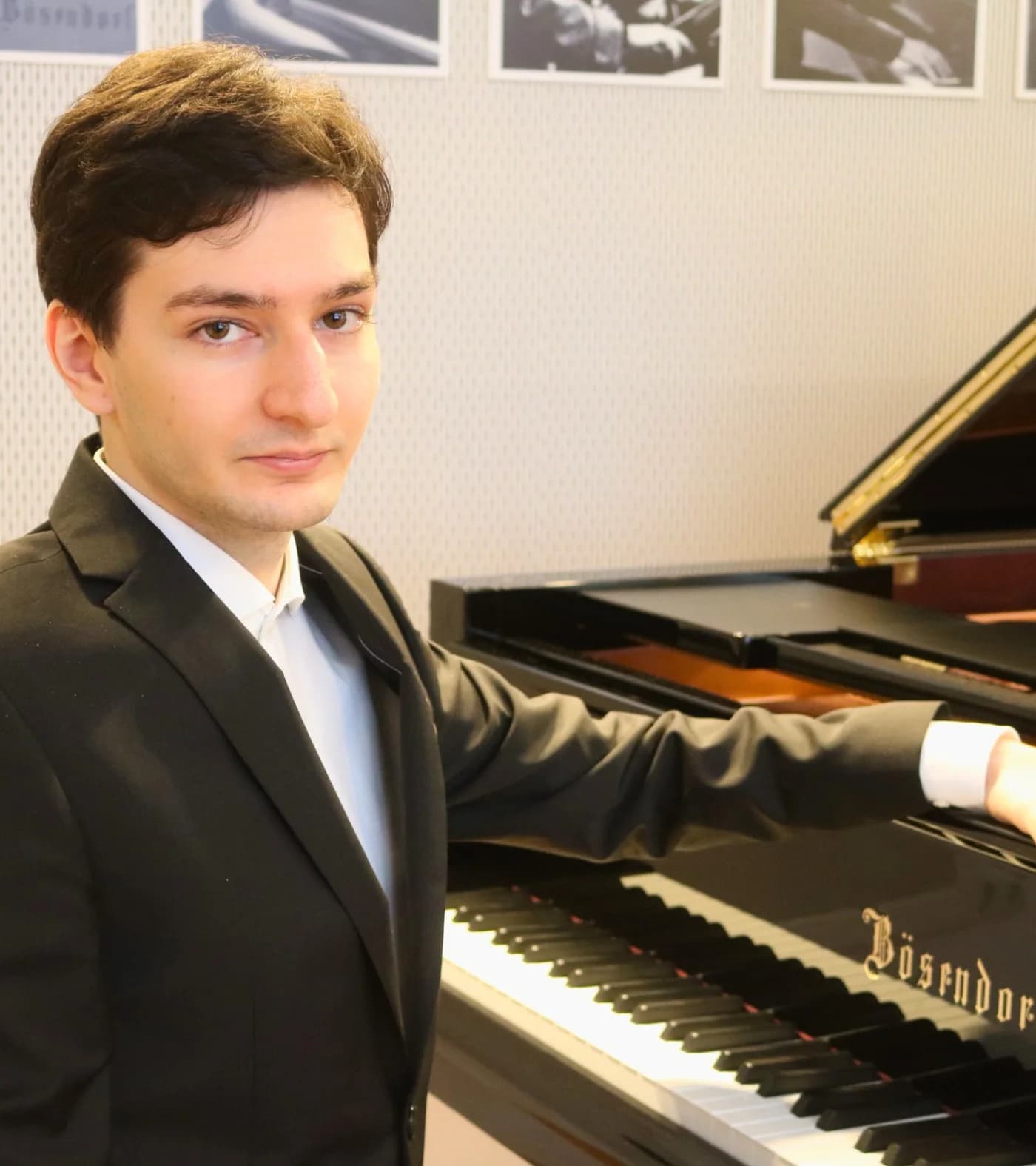
Enea
Concert pianist from Vienna
Free 55-minute trial, online or in person · Ikebukuro & Shinjuku studios from October 2026
A keyboard at home
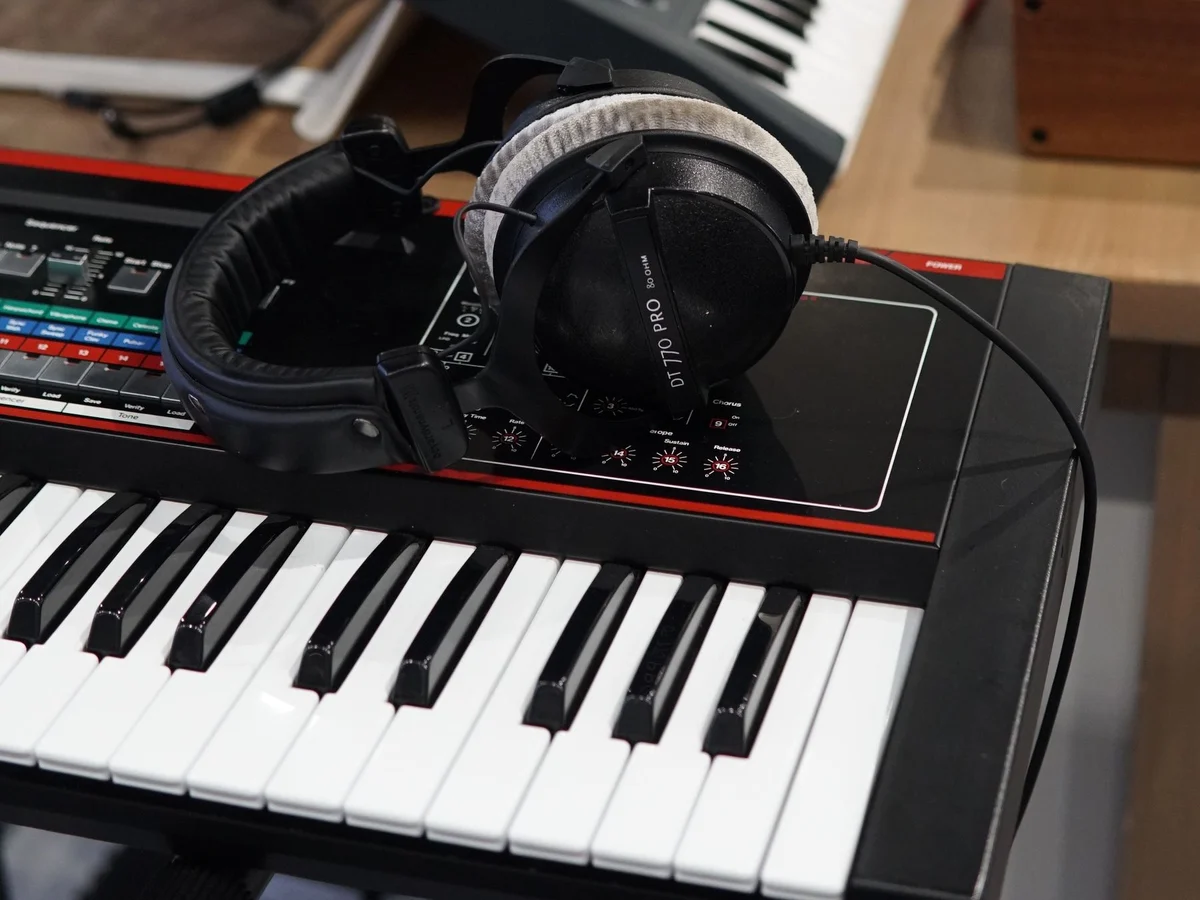
A home instrument removes the journey from the equation. This matters when the useful moment is a quarter of an hour before dinner, or when you want to revisit yesterday's phrase while it is still in your ear. A digital piano can offer headphone practice and a smaller footprint than an acoustic piano; the stand, seat and usable floor space still belong in the plan.
For ongoing classical study, I generally look for 88 full-size, touch-sensitive, weighted keys. These describe different things. The number gives the instrument's range; full-size describes the physical key size; touch sensitivity allows the sound to respond to how a key is played; weighting concerns resistance under the fingers. A keyboard can respond to touch without having a piano-like weighted action.
Manufacturers distinguish spring-based or semi-weighted actions from hammer actions designed to imitate aspects of an acoustic piano mechanism. Those labels are useful starting information, but they do not tell you whether a particular instrument feels comfortable or works properly. Play quiet repeated notes and a short connected melody on the actual instrument when possible.
If you already own a smaller keyboard, tell the teacher its model or send a photograph of the keys and controls. A short beginner melody may fit its range, while later music, bass notes or particular sound-control tasks may not. I would choose the first material around what the instrument can do and agree when to reconsider it. Buying another keyboard before that conversation can solve the wrong problem.
Headphones reduce the sound from the speakers; keys and pedals still make mechanical noise. Try the intended playing hours in the actual room, particularly where sound travels through floors. Include a stable stand and an appropriate seat when comparing a borrowed instrument, a rental or a purchase. A keyboard that stays packed away because setting it up is awkward offers less access than its presence in the house suggests.
The real weekly commitment
Map the arrangement onto your existing week before adding an ambitious practice target. Suppose you can book a room for half an hour on Tuesday and Friday, and use a relative's piano on Sunday. Those are three possible encounters with the instrument. They become a workable plan only if the bookings, journey and household invitation survive an ordinary busy week.
Try that schedule before buying a long block of lessons. Notice whether you arrive with enough energy to listen, whether the room is available at the advertised times, and whether part of each booking disappears into collecting a key or adjusting equipment. These details tell you how much playing time you can really expect.
For the budget, count actual bookings over a month, including any minimum charge and the journey. Add the lesson fee separately. If you are comparing this with a digital piano rental, use the complete rental quote, including delivery, collection, minimum term and any deposit. The useful comparison is the arrangement you will use, with its full terms, rather than an attractive hourly or monthly headline.
Then look beyond the trial month. A friend's move, a term-time room closure or a change of work shift can remove access. If your only instrument will disappear soon, make that part of the initial lesson discussion. It may favour a short introductory period while you arrange the next place to play.
Music for a short visit
Limited room time should influence the size of the assignment. I would often begin with a short phrase that the student can recognise by ear and locate again without spending the whole visit searching for notes. The aim is to arrive with one musical question, work on it, and leave knowing what changed.
For example, place the right-hand thumb on C, with the next two fingers over D and E. Play C–D–E–D, then C held for four steady beats. Give each of the first four notes one beat. Listen for whether the E interrupts the line by sounding much louder, and whether the final C lasts through its whole count. This small pattern gives the ear a clear job without requiring a long piece.
At the next visit, play it once before looking at your notes. If the starting position is uncertain, find it again. If the melody is remembered but the rhythm rushes, sing the pattern at a comfortable speed, then play it with the same pulse. These are different practice tasks; repeating the pattern rapidly would not answer either question.
With a teacher's guidance, the pattern can become a phrase that rises slightly towards E and settles on C, or part of a longer beginner piece. Add a new demand when the previous one is audible in the playing. The point is not to spend every paid minute moving the fingers, but to hear and retain a small change.
Before leaving, write a precise reminder such as “final C: count four beats before lifting.” At the next instrument, that sentence has more value than “practise harder.” Our guide to a focused piano practice loop develops this approach for learners already working from a score.
Learning away from the keyboard
There is useful work to do between visits. In the short melody above, you can sing the notes, tap the pulse and count the held C without an instrument. If reading notation is part of the lesson, look at the actual passage and name its starting note, rhythm and direction. Arrive at the next piano knowing which sound you want to check.
Listening to a recording can also support a specific question. Follow the melody rather than treating the recording as background sound. Notice where it seems to continue, where it rests and which note feels like an arrival. For a beginner, recognising the phrase is often more useful than trying to copy the speed of an accomplished performer.
What remains for the instrument is equally concrete: the distance between keys, the response to your movement, the sound of two notes joining, and the balance between hands. A phone app or a printed keyboard cannot supply those experiences. Tabletop finger patterns also give no sound to judge. Use off-keyboard study to prepare a question, then answer it by playing and listening.
This distinction matters when choosing a lesson schedule. A week of reading and listening can keep a piece present, but it does not mean that the physical task demonstrated in the lesson has been tried. Tell the teacher what you actually managed to do. That information belongs in the choice of the next phrase and the pace of the course.
Online lessons in a shared room
An online piano lesson can take place wherever you have a suitable instrument and a usable connection. A booked practice room or a borrowed piano may therefore serve for lessons as well as independent work. Check permission for a video call or outside teaching before booking: a room offered for solo practice does not automatically permit a remote lesson.
Visit with the device you intend to use. Test the connection inside the room, find a stable camera position that shows the keyboard and hands, and check that the teacher will hear both your voice and the piano. A strong signal in the building's reception area tells you little about a room behind several closed doors.
On a digital piano, remember that headphones can stop its speakers from sounding into the call. Agree the audio route with the teacher and test it before the lesson. Sometimes the room's speakers are the straightforward option; in a shared headphone-only space, the setup may require a different solution or a different room. The online lesson preparation guide covers the practical checks.
Book enough room time for setup and packing away as well as the full lesson. If the hire ends exactly when the lesson ends, a delayed connection can leave the final musical point unfinished. Check those margins against the provider's booking units when comparing the cost with an in-person lesson.
Starting with a workable plan
The first month should answer two questions together: do you enjoy the learning, and can you keep returning to the instrument? Judge the second from what happened, not from the number of practice sessions originally written in a diary. If most visits took place, bring a short example of what you worked on. If access kept collapsing, discuss the arrangement before adding harder music.
I would want to know which piano or keyboard you use, the days you can reach it, and a piece or kind of music you would like to learn. For someone returning after a long break, I would also ask what they used to play. That gives us a starting point for the musical work and a realistic view of the time between lessons.
Vienna Piano School teaches learners of junior-high-school age and adults. Online lessons are US$40 for 60 minutes or US$60 for 90 minutes. In-person lessons at piano studios in Ikebukuro and Shinjuku, Tokyo, begin in October 2026 and cost US$40 for 55 minutes, including studio use. The first trial lesson is free and lasts 55 minutes for either format.
When requesting a trial lesson, describe your current instrument access alongside your musical interests. We can discuss what to work on with that arrangement and what would need to change for continuing study. For students under 18, a parent or guardian should contact the school and give consent.