
What to Prepare Before Your First Online Piano Lesson
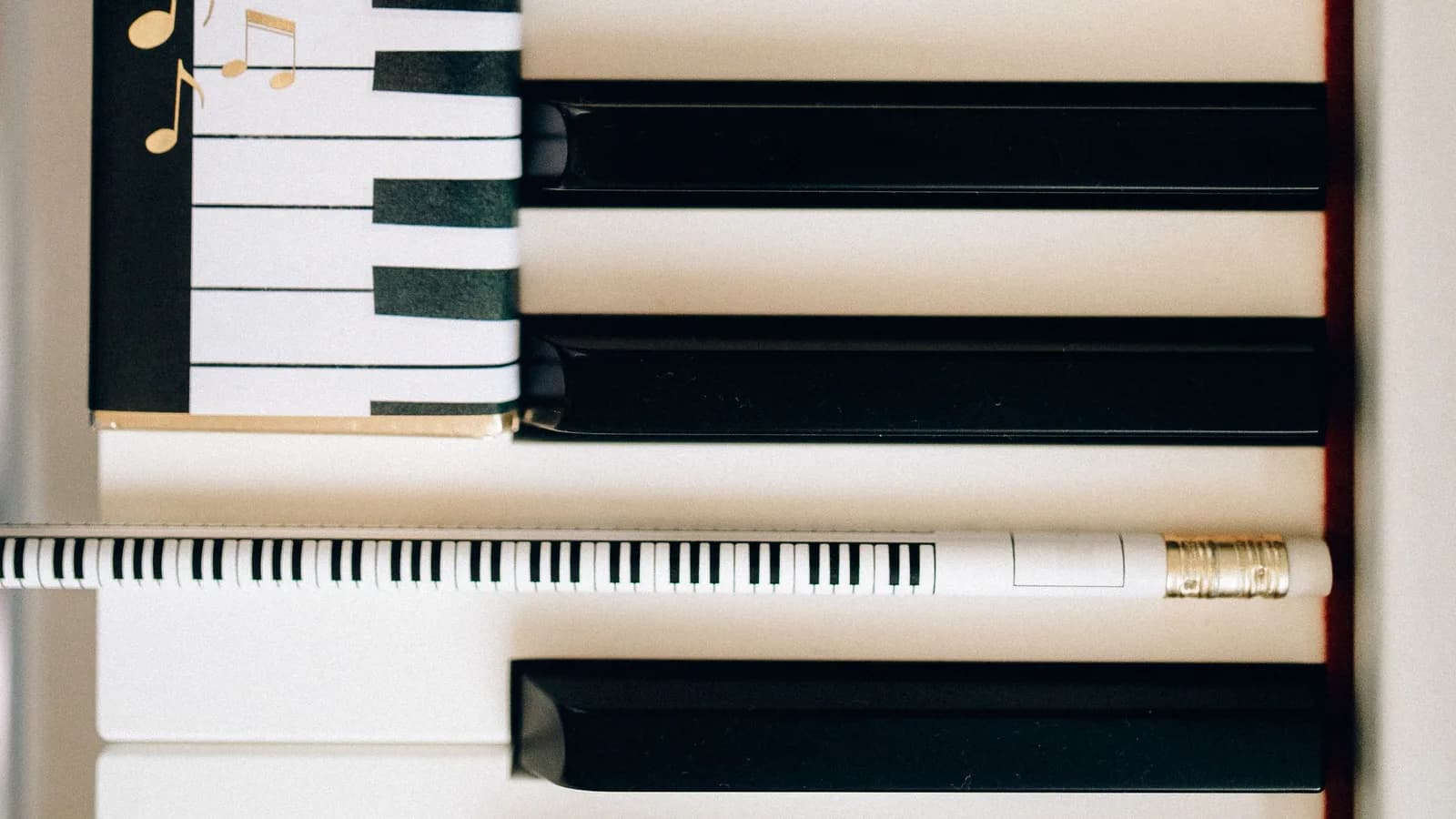
Before your first online piano lesson, have your piano or keyboard, a charged call device, any music you are using, and a pencil or notebook within reach. Confirm the lesson time and call details, then check the view and sound from the place where you will actually play. Bring one question about what you want help with.
That question can be simple. A complete beginner may want to know where to start. A returning pianist may want help rebuilding a piece that used to feel familiar. An experienced player may bring a passage whose rhythm or sound is difficult to control. The aim is to give the teacher a useful starting point.
Decide what you want help with
Write down a little about your experience, the music you enjoy and what you would like to work towards. Include a long break from playing, a recent change of instrument or an upcoming performance if it affects the plan.
Then choose one thing to discuss first. For example, a returning player might explain that the notes come back when each hand plays alone, but the pulse becomes uneven when the hands join. An experienced player might point to a melody that disappears beneath its accompaniment. These observations give the teacher something specific to hear.
You do not need to identify the cause or know the technical vocabulary. Explain what happens and where. If there is a deadline, give its actual date so the first conversation can distinguish immediate preparation from longer-term learning.
Choose something that shows your current playing
If you already play, have a piece or passage ready that represents your recent work. It can be unfinished. Mark the place where help would be useful, and be ready to explain how you have been practising it.
There is no advantage in choosing the hardest piece you have ever attempted just to demonstrate your level. A familiar page can reveal plenty about reading, rhythm, coordination and sound. If the difficult passage comes later, mark its page and opening notes so you can find it quickly.
If you are a complete beginner, say so when arranging the lesson. You can begin without a prepared piece. Our explanation of what happens in an online classical piano lesson describes how work begins from the playing and experience you have now.
Only prepare a separate recording if the teacher has asked for one. In that case, confirm the passage, length and way to share it. A first lesson does not require an unsolicited audition video.

One-to-one classical piano
Beginner to advanced. Online, worldwide.
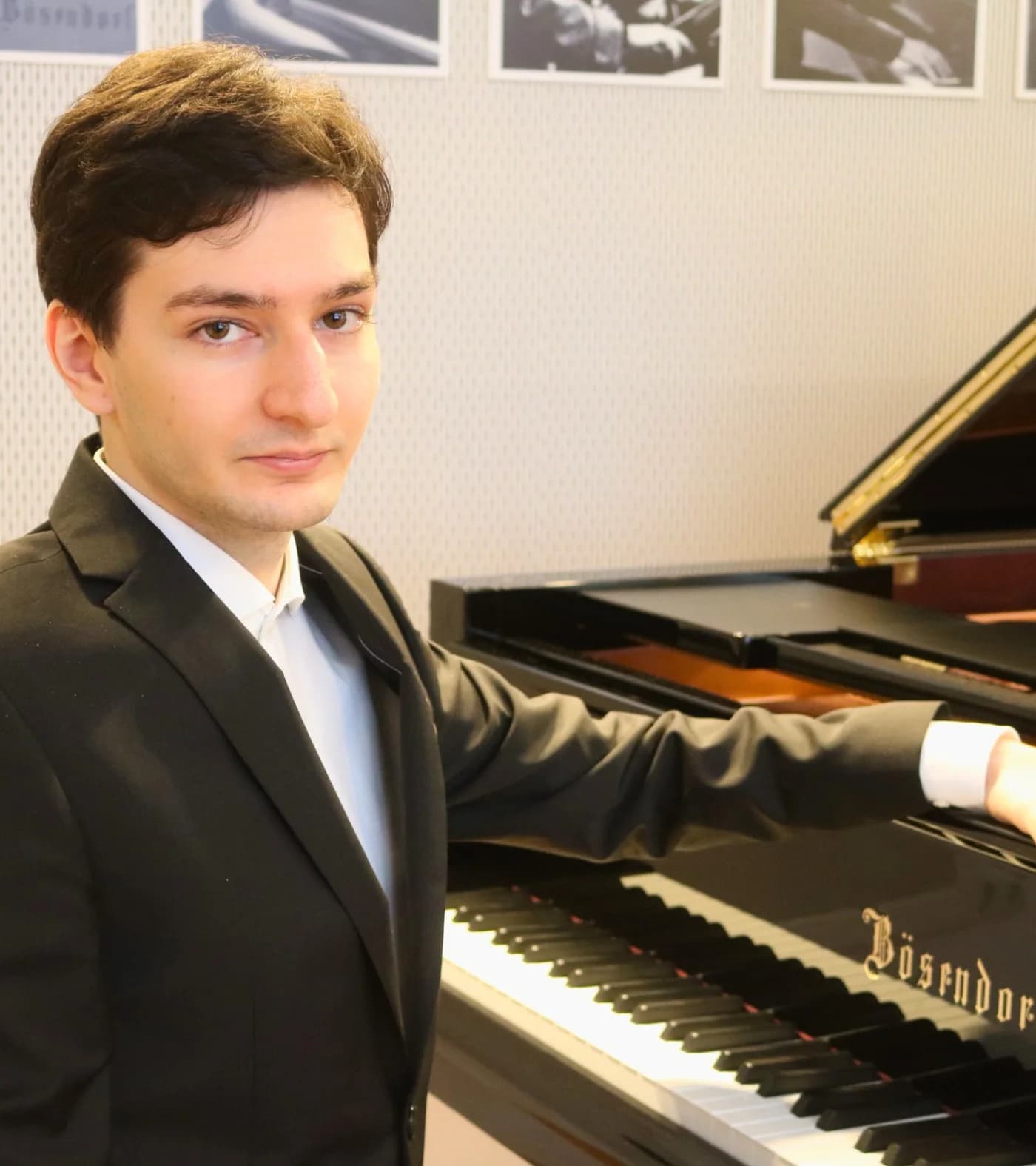
Enea
Concert pianist from Vienna
30 minutes · Tokyo studio from October 2026
Put the score and a place for notes within reach
Open your music at the relevant page. If you use a printed edition, have its title and publisher available: two editions can differ in page layout, fingering and bar numbering. If your version is an arrangement, mention that too.
Keep existing pencil markings visible. They can help explain what you have tried. A removable page marker is useful when moving between passages; there is no need to rewrite the score neatly before the lesson.
For music on a tablet, check that you can turn pages while keeping the call usable. Trying to read the score and watch a small call window on the same phone can make both tasks awkward. If that is your only device, explain the limitation before the lesson so a workable approach can be agreed.
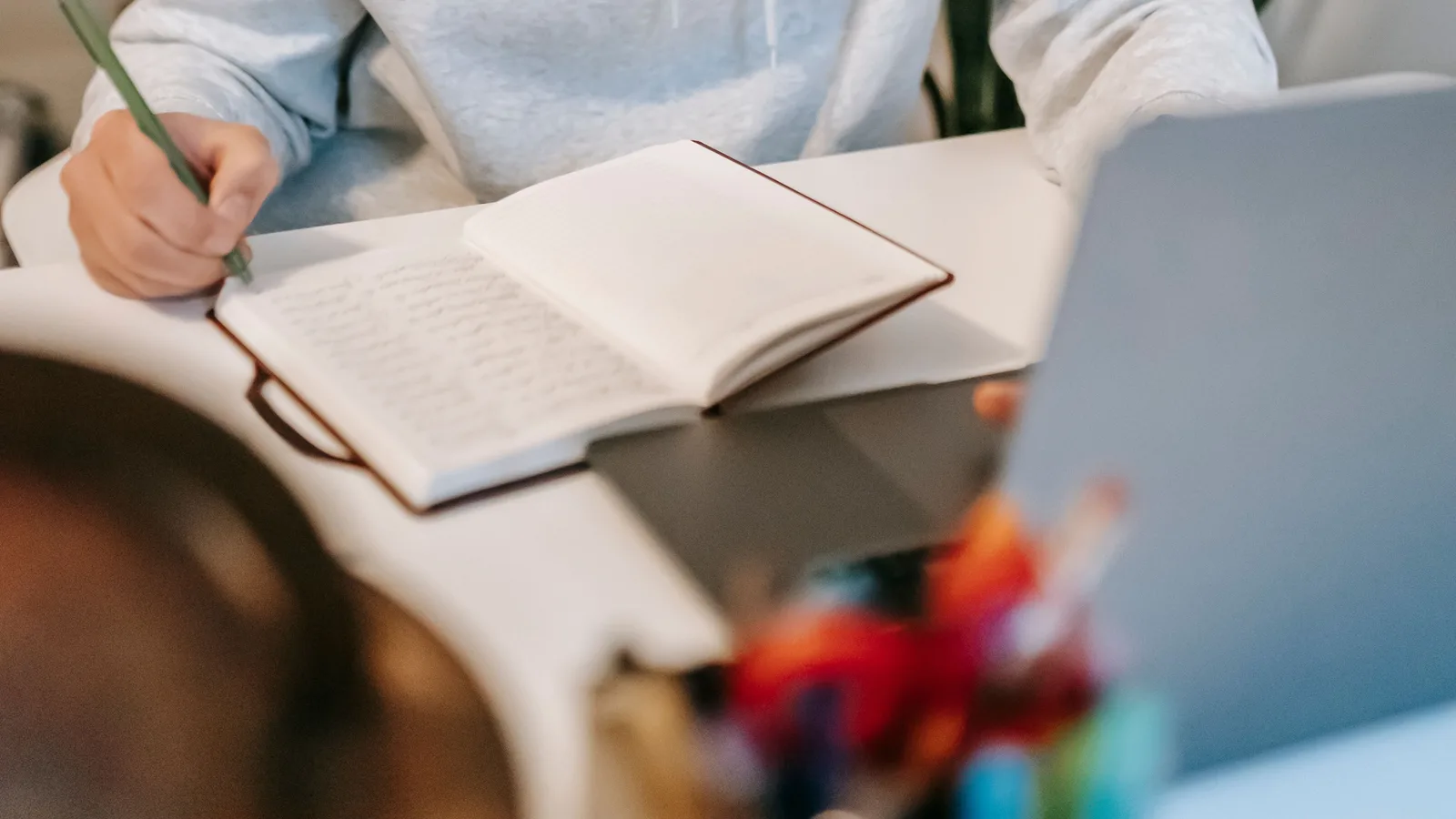
Leave space in a notebook for the passage, the change to try and how to practise it. Keep the pencil where you can reach it from the bench. If no music has been agreed yet, ask before buying a book specifically for the lesson.
Confirm the call details before sitting down
Check the agreed date, time and time zone, especially when the teacher is in another country. Keep the lesson link or joining instructions somewhere easy to find. Follow the platform instructions you have actually received rather than assuming every teacher uses the same app.
Open the app beforehand if it needs installing, signing in or permission to use the microphone and camera. Check those permissions early enough to resolve a problem without using lesson time. Charge the device, or connect power with the cable clear of the bench and pedals.
Let anyone sharing the room know when the call will happen. Silence unrelated notifications and close distracting windows. Keep the teacher’s agreed contact method available in case the link does not open or the connection drops.
Check the view and sound from the bench
Use the piano and device you expect to use during the lesson. Place the device on stable support and look at the camera preview while sitting normally. Both hands and some of the forearms should be visible as you move across the passage. Check that the lighting lets those movements be seen.
Test speech and piano through the intended call setup. A microphone that picks up your voice may still cut off a held piano note. If the lesson uses Zoom, its music-oriented audio option can help preserve instrument sound, but settings vary by device. Follow the teacher’s instructions and test the result.
For a digital piano, make sure its sound reaches the call. If you hear the instrument only through headphones plugged into the piano, the call device’s room microphone may hear little or nothing. Our online piano lesson setup guide explains that signal path and the fuller camera, sound and connection checks.
Before you join: a short checklist
Use this check once the practical arrangements are settled. If a musical item is still undecided, note it as a question for the teacher. An empty repertoire list is a reasonable starting point for a beginner.
Ready for the first call
0 of 8 checked
Tick each item when settled. For music you have not chosen yet, make a note to ask the teacher.
Leave a little time to sit at the instrument before joining. Play something familiar if that helps you settle, and keep your marked passage open. You can show the teacher exactly where something goes wrong; it does not need to be corrected in advance.
Leave with a clear next practice task
Have the notebook ready during the lesson as well as before it. At the end, make sure you know which passage to work on, what to change and what to listen for. Ask the teacher to clarify any instruction that you cannot yet put into practice.
A note such as “practise the left hand” leaves several decisions open. A more useful note identifies the passage and the intended result, such as keeping the accompaniment quiet enough for the melody to remain clear. The task should come from what you actually worked on together.
To arrange a free 30-minute online trial lesson, share your experience, current music or interests, and goals through our admissions form. Online lessons are available worldwide. We will reply with availability and next steps.