
Setting Serious Piano Goals When Music Is Not Your Profession
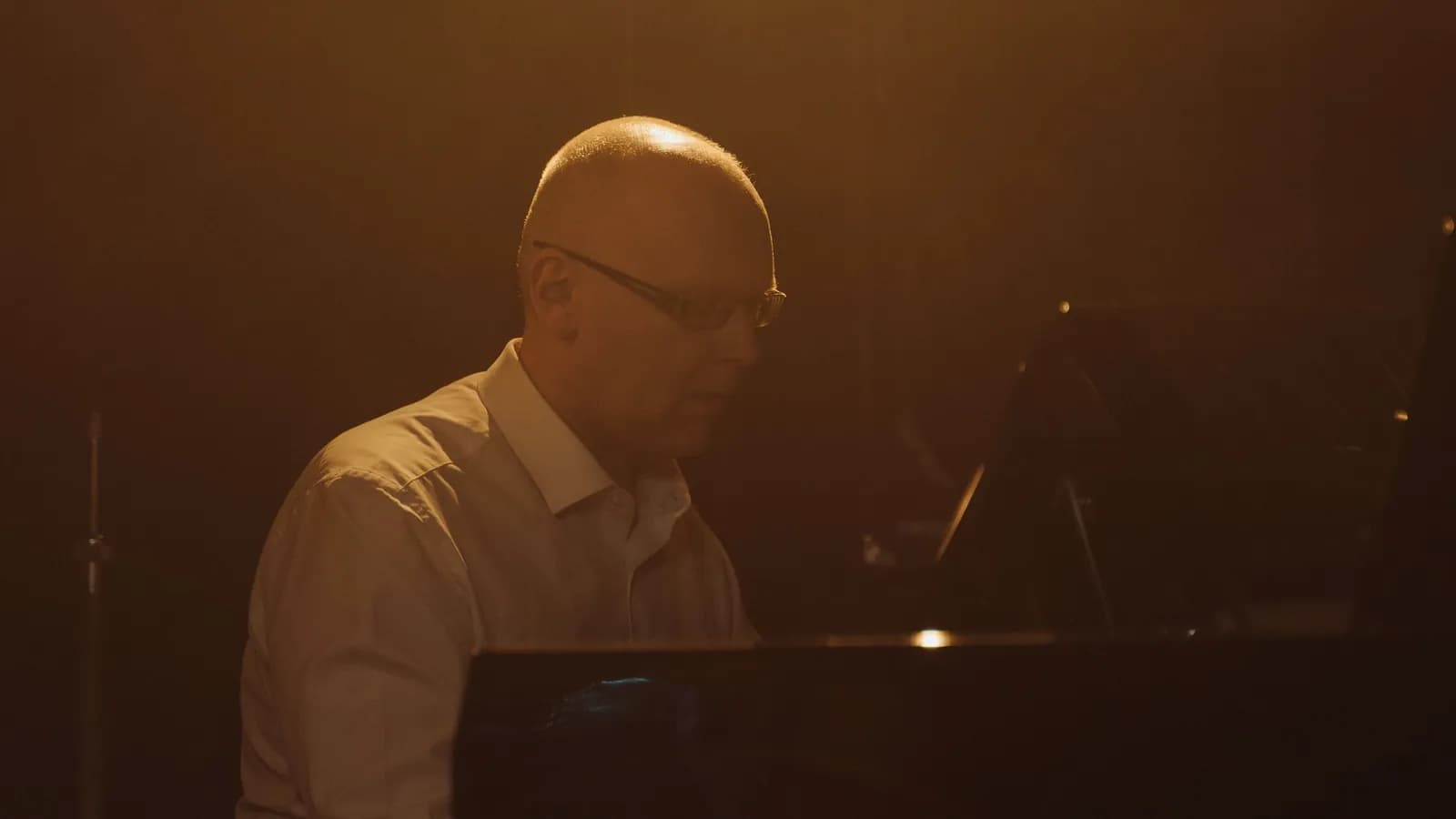
A useful piano goal gives you something musical to work towards: a phrase that carries more naturally, a score you can explore with less hesitation, or a few pieces you would enjoy sharing. Choose one main aim for the next few months, then select music and smaller tasks that support it. Your available time helps set the scope; your interest in the music gives the work its direction.
You can care deeply about playing without planning a career in it. The difficulty is often deciding what deserves attention when a wish list is longer than the evenings available. A good goal makes that choice easier while leaving room for the pleasure that brought you to the piano.
Begin with the musical experience you want
Perhaps you want to sit down with friends and play something from beginning to end. Perhaps you want to open unfamiliar music and hear its shape before spending weeks learning it. Or you already play demanding repertoire, but want a slow movement to sound less laboured. These wishes point towards different kinds of work, even if all three could be described as wanting to improve.
Make the wish concrete enough to discuss at the piano. Being more expressive might mean allowing a melody to rise towards its important note, then settle without every bar slowing down. Reading more freely might mean keeping a simple left-hand pattern moving while looking ahead in the right hand. Neither aim needs a grade number to be worth pursuing.
A distant ambition can remain part of the picture. Wanting to play a much-loved sonata eventually is a perfectly good reason to study. It helps, though, to distinguish that destination from the music that can teach you something now. The next piece should offer an encounter with sound, rhythm or structure that you can actually explore, rather than only remind you how far away the dream seems.
Let one piece carry the main work
Choose a main piece with enough familiar material to leave attention for the new musical question. If the aim is a lively dance character, you need some freedom to hear the beat and shape the phrase. A score that requires a long search for almost every note may make a better future project than the centre of this season's work.
Our guide to choosing a classical piano piece at the right level explains how to try the demanding passages before committing. Here, the larger decision is what role the piece will play. Is it the main work to deepen, easier music to explore, or an old favourite to keep available? Those roles need different amounts and kinds of attention.
A small group of pieces can therefore be more varied than it first appears. The main work may stretch your phrasing. A much easier piece may give you the satisfaction of reading with a steady pulse. Something already learned can remain a place to enjoy a convincing sound without solving a new problem at every turn.
There is no need to bring every piece to the same finish. Some deserve careful preparation for a listener; others can be studied for what they reveal and then put aside. Deciding their purpose helps prevent an ever-growing pile of half-finished music from becoming the only record of your playing.

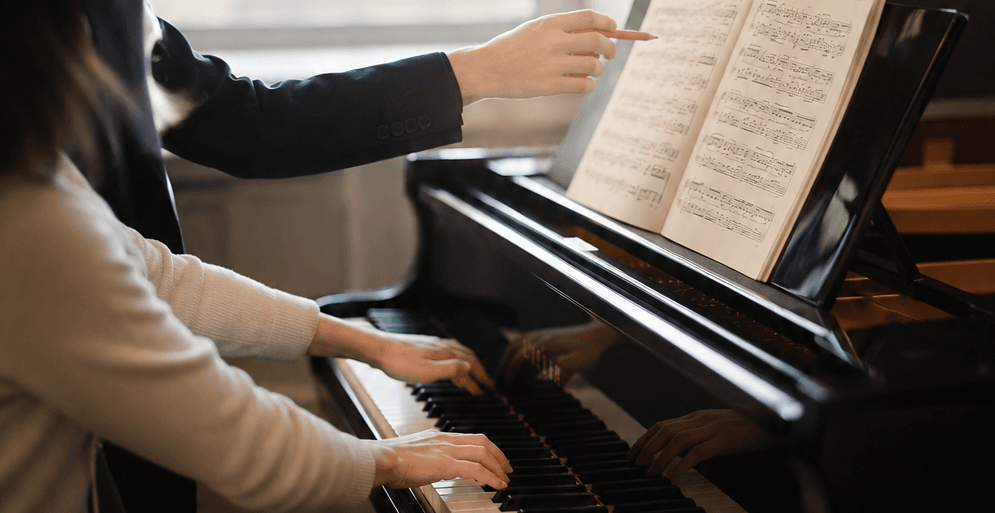
One-to-one classical piano
Beginner to advanced. Online, worldwide.
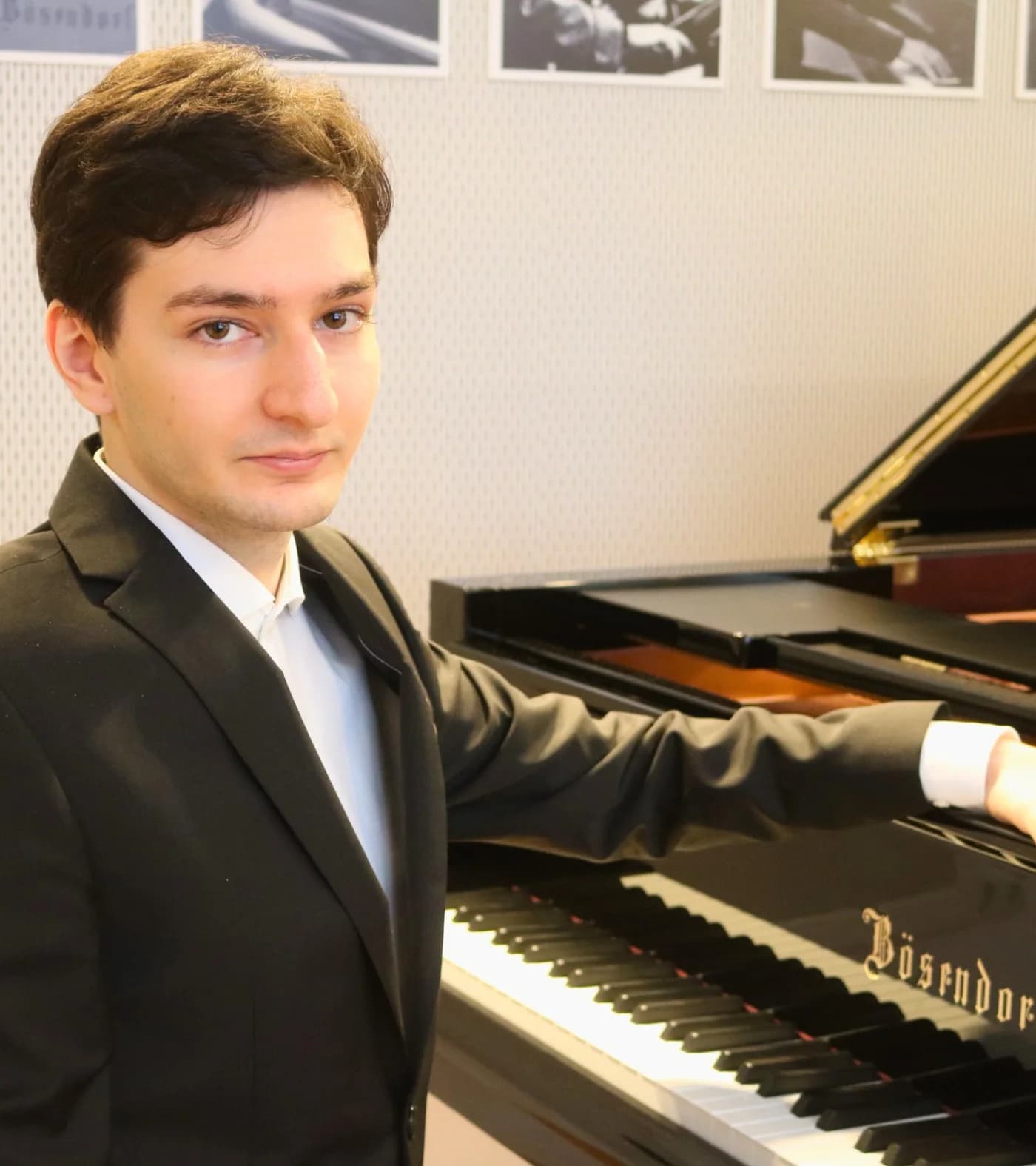
Enea
Concert pianist from Vienna
30 minutes · Tokyo studio from October 2026
Give the season one musical thread
Consider a hypothetical returning adult who wants a short dance movement to feel buoyant without rushing. The player can read the notes and manage the main patterns, but the pulse tightens when the texture becomes busier. A useful seasonal aim is to preserve the dance character through those changes, then play the movement alongside a familiar piece for a friend.
That aim can connect several kinds of musicianship. Easier reading gives the player a chance to feel a dance rhythm without a heavy technical load. Listening to two interpretations can draw attention to how a phrase breathes while the underlying beat remains clear. In the main piece, those observations become questions to try at the instrument.
The example below is a way to keep those activities related. It is not a prescription for completing a movement within a particular number of weeks. The choice of music and the size of the task depend on what the player can already do.
- Repertoire
- Give the idea a homeOne suitable dance movement: keep its lilt when the texture gets busier.
- Reading
- Meet it in simpler musicShorter, easier dances: follow the beat while looking ahead in the score.
- Listening
- Hear another possibilityCompare two interpretations: notice how each phrase breathes around the pulse.
- Sharing
- Let someone hear the wholePlay the movement and a familiar piece for a friend when the music is ready.
These activities can sit alongside each other. This is an example to adapt, not a timetable or a promise of completion within a season.
For a beginner, the main work might be a short piece whose two hands have only recently become comfortable together. For an advanced amateur, it might be a complete movement with a question about pacing across several pages. The scale changes, but the aim still needs to describe the music you want to make.
Choose a time to revisit the plan, perhaps around a natural break in work or family commitments. That meeting is an opportunity to listen and decide what comes next. It need not become a performance deadline. If a real event is approaching, the programme and preparation time deserve a separate discussion with your teacher.
Listen for a change you can recognise
A goal becomes useful when you can hear some difference between the earlier attempt and the work taking shape. In the dance example, that might be a steadier arrival after a busy passage, or a phrase ending that releases lightly without losing the beat. A higher metronome number would not tell the whole story.
A brief recording made near the beginning of a project can help later, especially when memory of the earlier playing has become vague. Compare the same passage and ask about the musical aim. The recording may reveal that the pulse is clearer even though one awkward join remains. It may also show that a change which felt dramatic at the keyboard barely reached the listener.
Progress can include more independent decisions. Perhaps you can now hear that the left hand is pushing the tempo, identify where it starts, and choose a smaller passage to examine. That does not replace the goal of playing the music well. It gives you more control over the work needed to get there.
Finishing fewer pieces over one season can still leave you with more usable music. You may have a movement you can return to after a break, a better sense of its structure, or a clearer idea of how to begin the next piece. These are worth noticing alongside pages learned. There is little value in turning every musical observation into a score or a daily report.
Leave room for an ordinary month
A plan made during a quiet weekend has to survive the rest of life. Look at the coming months before filling them with repertoire: travel, a demanding period at work, or family responsibilities may change what you can sustain. It is reasonable to deepen a shorter piece during that period and leave a larger new work for later.
That choice can preserve the same musical ambition. If the original plan was to shape a whole sonata movement, a smaller work may still let you study how tension gathers and releases across a complete form. Reducing the amount of unfamiliar music gives that question room. It need not reduce the care you take with the sound.
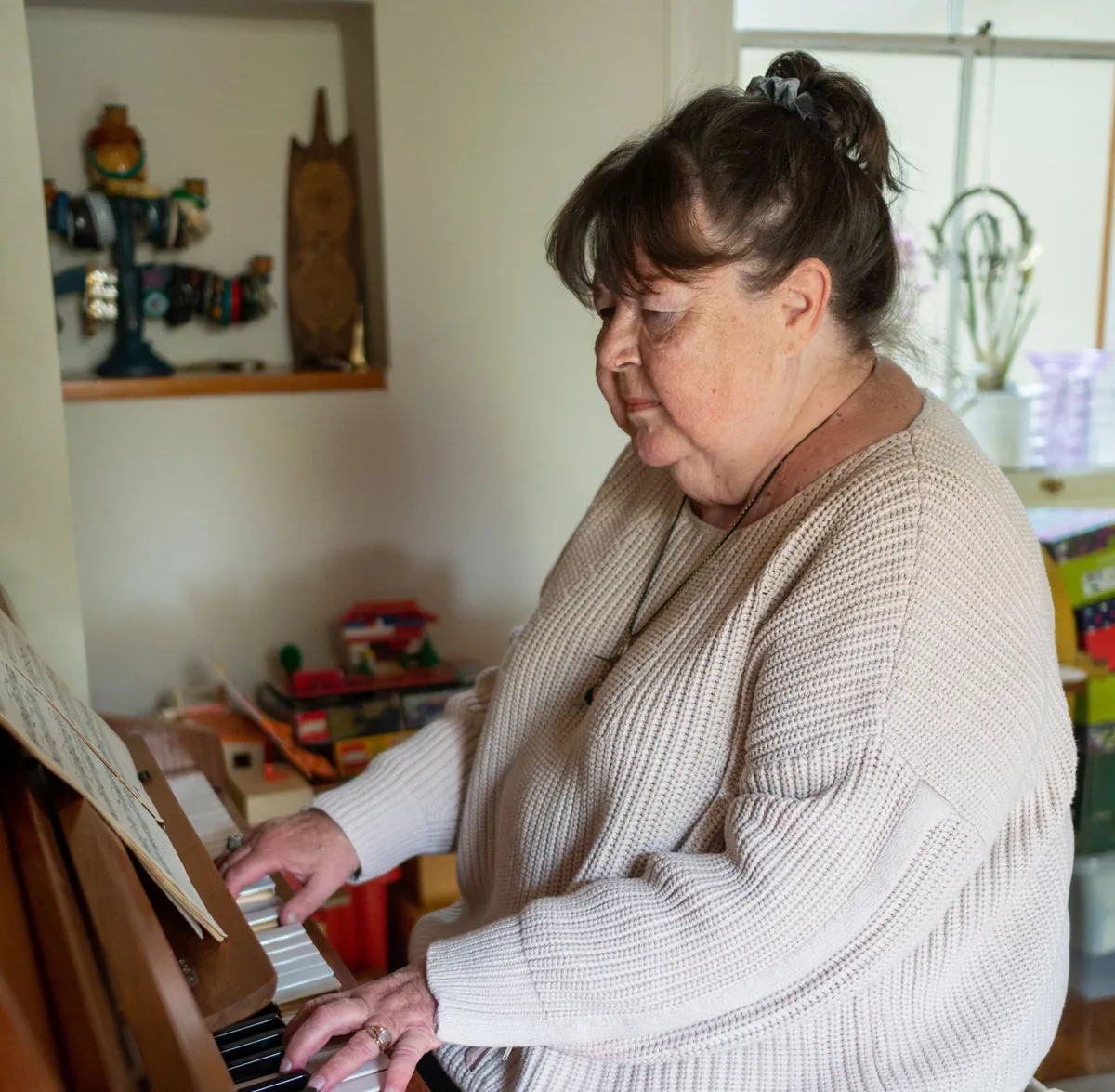
Music can remain part of an ordinary week, including pieces you already know and enjoy returning to.
On a busy week, keeping a familiar piece alive may be the most satisfying use of the piano. On another, you may have the attention to read something new. The 30-minute practice guide for busy adults offers a way to use a limited session; the seasonal plan helps you decide which music deserves that session in the first place.
Leave some playing outside the plan as well. Exploring a favourite melody, revisiting an old piece, or following an unexpected curiosity does not have to produce a measurable result. If every visit to the instrument becomes an obligation to demonstrate progress, the plan may need less in it.
When a goal repeatedly stalls, ask what has become difficult to sustain. The piece may have more unfamiliar material than expected. The practice task may be unclear. Or the goal may no longer interest you as much as the music you have discovered along the way. These lead to different choices: change the repertoire, clarify the work, or choose a new direction. Simply extending the deadline does not answer all three.
Bring a direction to your teacher
You do not need to arrive at a lesson with a complete curriculum. Bring something you play now, music you would like to approach, and a description of what you want to hear or do differently. A teacher can help connect those wishes to the actual reading, listening and playing involved.
The aim is especially useful when it lets you discuss a trade-off. Would this season be better spent polishing one movement, broadening your reading, or preparing a modest programme you can keep? It may be possible to combine them, as in the example above, but each should have a sensible place rather than compete for equal attention.
Detailed work on these questions is part of serious adult piano study online. How often to meet depends partly on how confidently you can use the advice between lessons; our guide to weekly and fortnightly lessons considers that choice. The frequency should serve the music you are working on.
At Vienna Piano School, online lessons are available now, and new students normally begin with a free 30-minute trial. Further 55-minute lessons are booked individually. If you would like help choosing a direction, enquire about a trial lesson with your playing background, current repertoire and an idea of the time you have for music. We can start by hearing where you are and considering what would make the next season rewarding.