
Private or Group Piano Lessons as an Adult? Comparing the Learning Experience
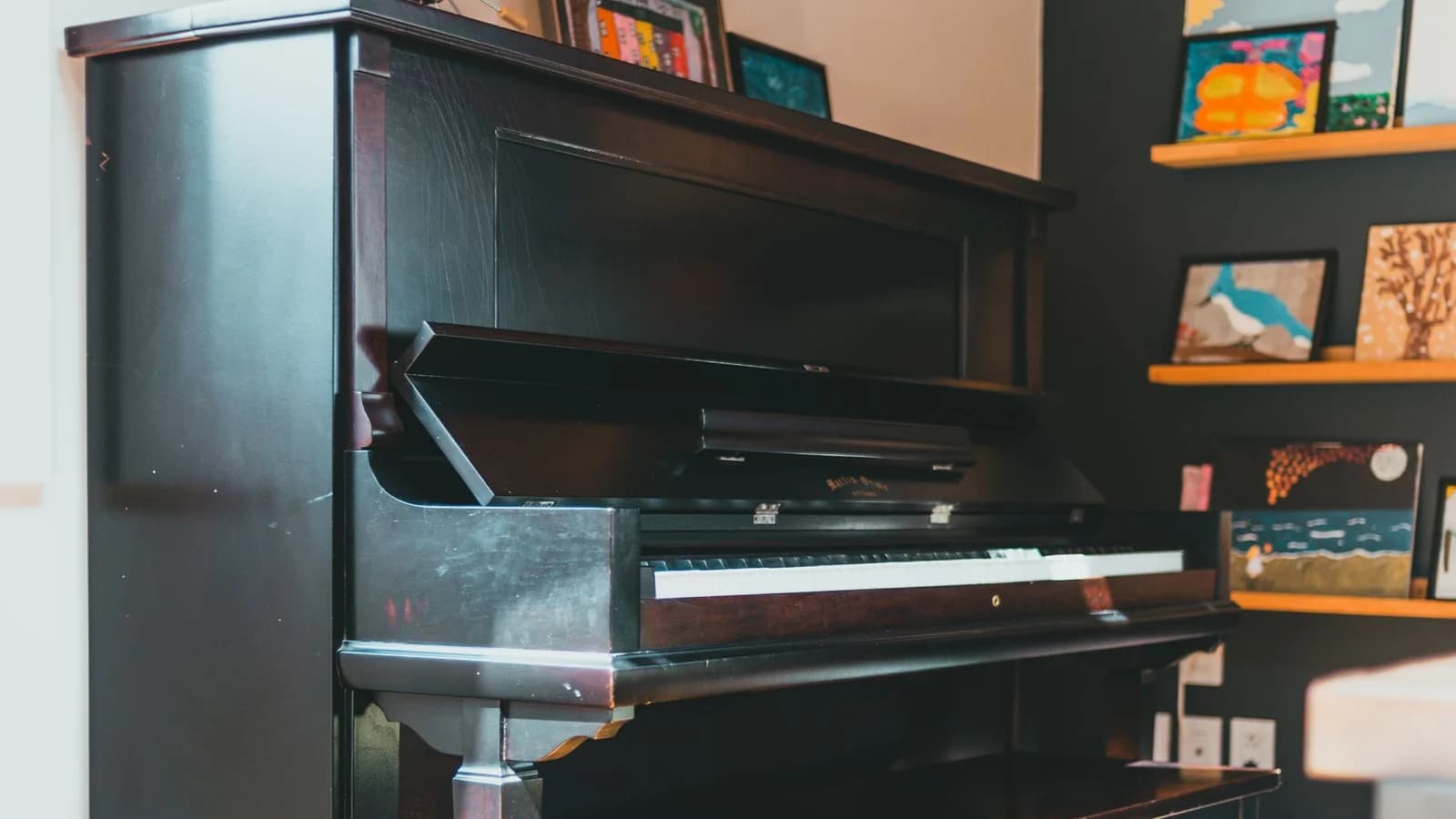
Private and group piano lessons can both be worthwhile for adults. The useful question is what you want the lesson itself to give you: sustained attention to your playing, regular music-making with other people, a shared course to follow, or a combination of these.
Choose individual lessons when your main need is detailed feedback on your own sound, technique or repertoire. Consider a well-matched group when learning alongside others and making music together are central to what you want. Then look closely at how the particular class works. “Group lesson” covers several different experiences.
Pay particular attention to what happens after you play. Does the response help you hear something you missed? Can you try a change while the teacher listens? Do you leave knowing what to work on? Those questions matter in either format.
What changes between private and group lessons?
In an individual lesson, the teacher can follow your response from one attempt to the next. If a phrase needs more time, the lesson can stay with it. If a problem turns out to be simpler than expected, you can move on.
A group adds other musicians to the experience. You can hear how somebody else approaches a rhythm, learn from a question you had not thought to ask, and work on starting or finishing together. The teacher also has to distribute attention across the class.
What to compare
Feedback
- Individual
- The teacher can follow your playing through several attempts.
- Group
- Ask how individual turns, shared activities and independent practice are combined.
Repertoire and pace
- Individual
- The lesson can stay with your passage and adapt the next task to your response.
- Group
- Ask which material is shared and how personal pieces or different rates of progress fit.
Other musicians
- Individual
- You can work closely with the teacher, including demonstrations or duets.
- Group
- A class may offer ensemble playing and regular learning alongside peers. Check the actual activities.
Ask what the advertised minutes contain. A 60-minute group meeting may include individual turns, headphone practice and ensemble work. A 30-minute individual lesson has a different distribution of attention. Dividing the group duration by the number of students misses the learning that happens through listening and playing together; treating every minute as personal feedback is equally misleading.
Group classes have different structures
Some classes use a common sequence of pieces, with everyone learning related material. Others give students individual repertoire and bring them together for selected activities. A keyboard room with several people in it does not, by itself, tell you which approach you are joining.
Yamaha Japan's adult piano course provides a concrete example. Its description combines individual guidance, headphone practice while other members receive attention, and ensemble playing. The published formats include 60-minute group and 30-minute individual lessons. The official demonstration below illustrates the group option; its spoken explanation is in Japanese.
Yamaha: adult piano group lessons
Yamaha Music Foundation. Watch on YouTube.
Yamaha also describes a separate Music Gym format that alternates instruction with self-training. Its FAQ says that whole-class ensemble playing is generally not part of that format. This is why I would ask about the activities inside a class before choosing on the word “group” alone.
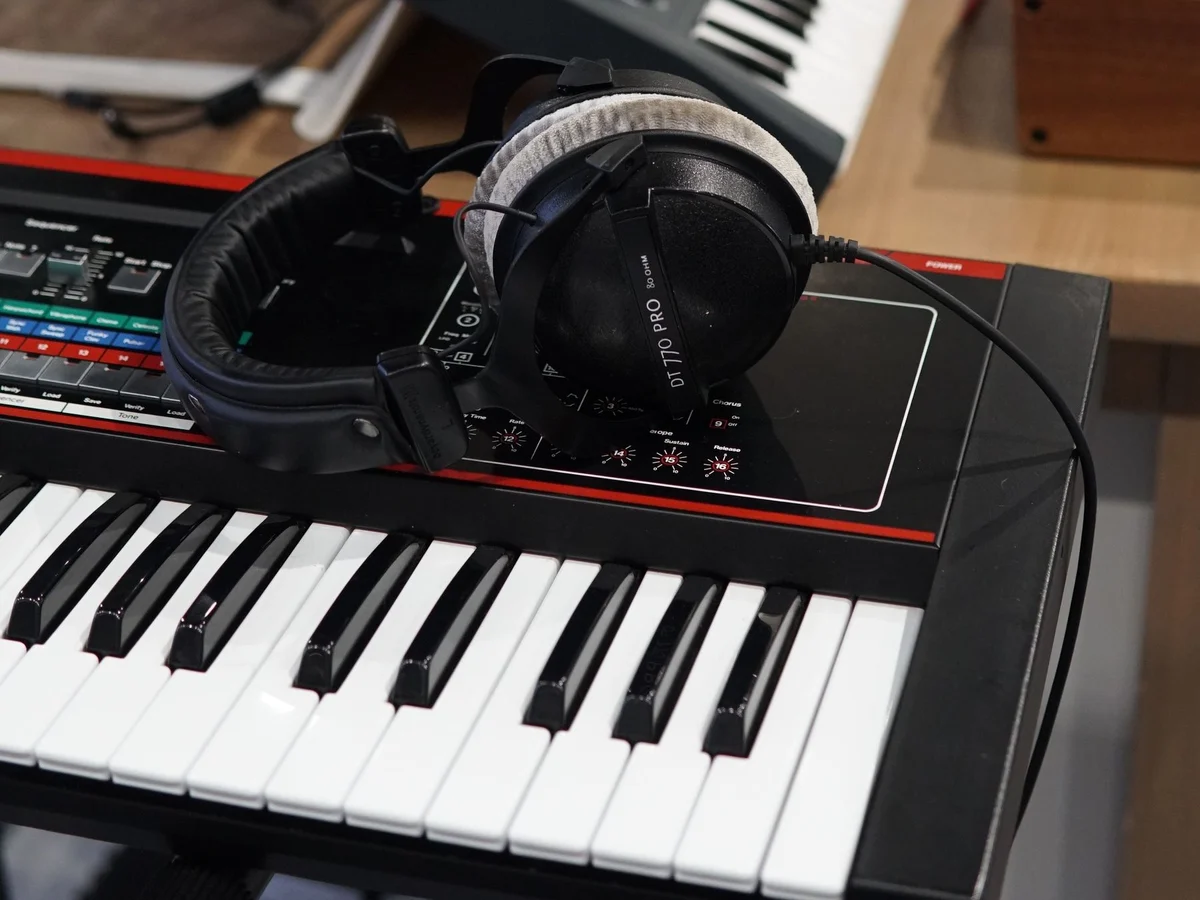
For any school, useful details include the usual class size, how students are matched, whether everyone has an instrument and how the teacher hears each person's work. If the social and ensemble side attracts you, find out how often you actually play with the other members.
A beginner's first melody
Imagine learning a short melody with a simple accompaniment. In a group, the teacher might establish the pulse with everyone, divide the music into parts and help the class hear how those parts fit. Keeping your place while somebody else continues is a valuable musical experience. It also makes rhythm feel like something shared, rather than a private counting exercise.
An individual lesson can spend longer on the particular point where the hands stop coordinating. A teacher can listen to the melody alone, join in with the bass, and then hear what changes when the student plays both parts. The next demonstration can respond to exactly where the difficulty appears.
Neither example makes one format the automatic choice for every beginner. Someone who enjoys learning with others may find a class inviting and motivating. Someone who wants time to ask questions, repeat an unfamiliar movement or work at an uneven pace may value individual attention from the start.
The important test is whether the teaching reaches you. If everyone completes the exercise but you still cannot hear the pulse, the lesson needs a way to notice that and help. If you receive detailed individual advice but rarely get to play a complete musical phrase, that also deserves discussion.
Returning adults and uneven skills
Returning pianists often bring a mixture of strengths. You may remember how to shape a melody yet hesitate over the bass clef. Your fingers may find an old piece while a new score takes much longer. A single label such as “beginner” or “intermediate” can conceal that mixture.
Individual lessons can follow it closely. A familiar piece can provide material for work on sound, while a shorter passage rebuilds reading or rhythm. Different material can address different needs without making every part of your playing start again at the same level.
A group can still fit a returning player very well when placement is thoughtful and the class allows individual tasks. Ask what happens if you already know the current piece, or if one part of the work takes you longer than it takes the rest of the class. A clear answer tells you more than an attractive course title.
Bring a little of your current playing to the conversation. Even a short passage gives a teacher more to work with than the number of years since your last lesson. If your immediate aim is one particular work, the guide to taking lessons for a chosen piece explains how that can shape the discussion.
Intermediate repertoire and detailed feedback
An intermediate pianist may know the notes and still feel that a piece is not saying enough. The melody disappears inside a chord, a phrase loses direction, or the pedal makes a harmonic change indistinct. These are often questions of relationships within a specific passage.
In an individual lesson, a teacher can hear the first attempt, demonstrate a different balance and listen as the student tries it. Changing one element, such as the accompaniment’s weight, keeps the rest of the phrase familiar. If the result is still unclear, the teacher can adjust the explanation immediately.
That sustained exchange is a strong reason to choose private teaching for a piece you care about. It is especially useful when your musical intention is clear to you but your hands are not yet producing it consistently.
A group may offer a different kind of insight. Hearing another pianist work through a similar problem can reveal an idea you overlooked. The question is whether the class gives enough space to your own passage as well. For repertoire requiring individual attention, ask how personal feedback is built into the meeting and whether your chosen work fits the course.
The value of playing with others
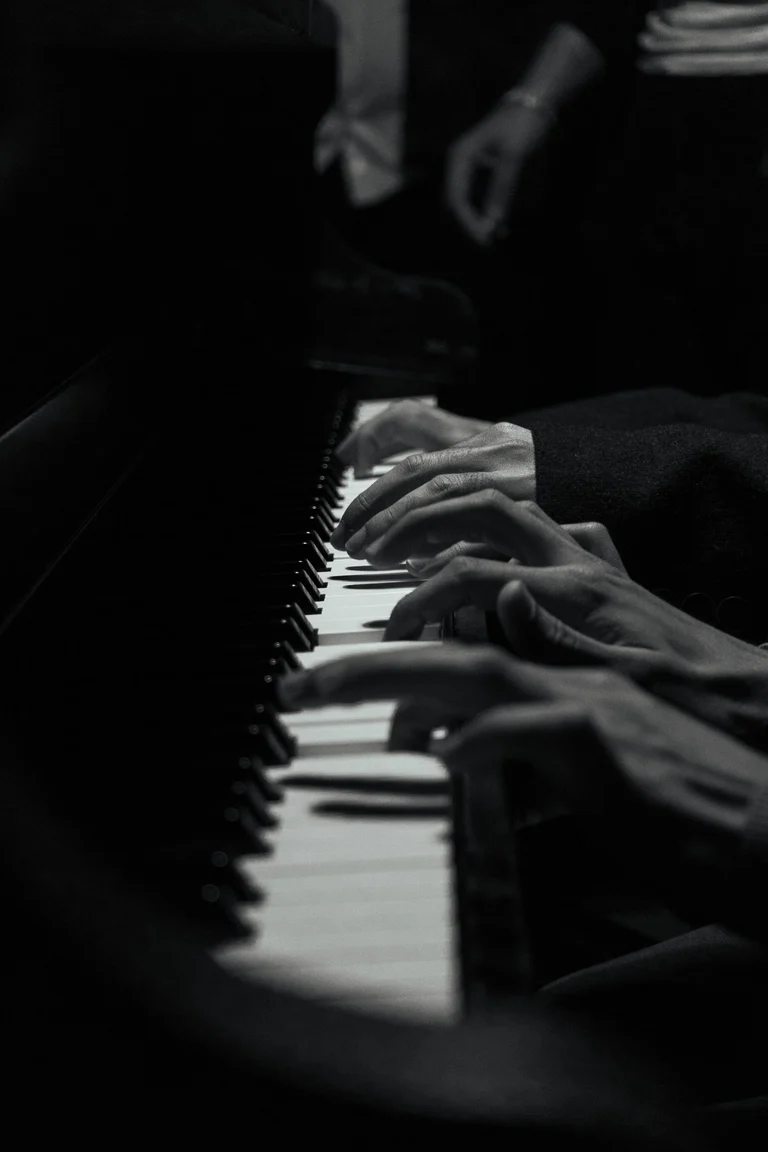
Playing with another musician changes what you listen for. Your own part has to leave room for another line. A pause has to be understood together. You may need to keep going through a small slip because the other player is still moving.
Those experiences can be a compelling reason to choose a group that includes real ensemble work. They also make a useful complement to individual study. A teacher can sometimes play a duet or accompaniment with a student during a private lesson; a regular group offers the additional experience of learning alongside peers.
Think about the atmosphere you enjoy. Some adults like hearing everyone try and improve; others prefer to work through an uncertain passage privately before sharing it. A trial class can tell you whether the room feels encouraging and whether listening to the others holds your interest.
Social connection is a real part of choosing a musical activity. It is worth asking about it directly, alongside repertoire and technique. The right arrangement should suit the kind of music-making you want in your week.
Costs, schedules and practice
Compare the full commitment over the same period. Look at how many meetings take place, the length and format of each meeting, and any additional charges for facilities, materials or membership. Check what happens when you miss a lesson. A lower monthly figure may represent fewer meetings or a different service.
Private and group teaching also make different demands on scheduling. A class may depend on a shared time and a suitable level match. Individual teaching may offer more choice, but actual flexibility depends on the teacher's availability and booking rules. Ask about the arrangement you would really use, especially if your work schedule changes.
Between lessons, both formats need a realistic place for practice. A class with instruments gives you somewhere to play during the meeting; it does not tell you how much practice access you will have outside it. If you use a rented piano room, include that time and cost in your planning.
The most useful financial question is what you receive and can use. Detailed advice that you understand and practise has value. So does an ensemble experience you would otherwise never have. Choose a sustainable arrangement that addresses your reason for learning.
Online groups and video memberships
The same questions apply online, with an additional need to understand how the teacher hears you. A live class may use individual turns, demonstrations, discussion and submitted recordings. Ask which of those are included and how often your own playing receives a response.
A library of prerecorded lessons, even with a large member community, offers a different experience from a live group taught at a scheduled time. A membership may combine both. Read the actual feedback arrangements: a discussion forum, a monthly question session and personal comments on your recording are different forms of support.
For the broader choice between live teaching and self-directed tools, see piano lessons, apps and YouTube. For individual online teaching, the key remains whether the teacher can hear your current problem and respond in a way you can use at the piano.
Try the kind of feedback you need
Before a trial, choose one thing you would like the teacher to hear. A beginner might want help keeping a melody moving with both hands. A returning player might bring a familiar piece that now feels awkward. An intermediate player might name a phrase whose sound still disappoints them.
Afterwards, consider the exchange itself. Did the teacher understand what you were trying to do? Was the explanation clear? Did you have a chance to try it, and do you know what to practise next? These are useful signs of fit, whether your next choice is a group or individual study.