
How to Choose an Online Classical Piano Teacher as an Adult
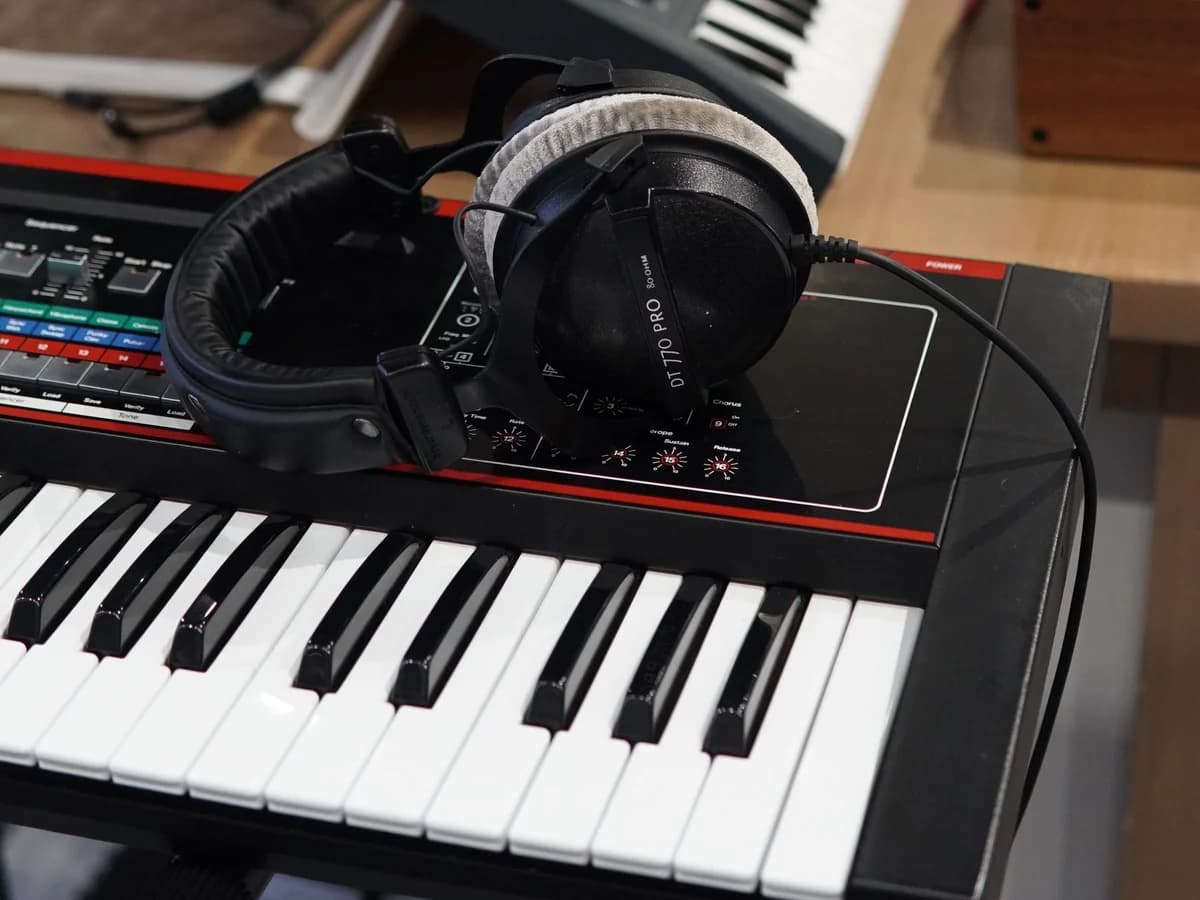
Choose an online classical piano teacher by the work you can do together at the piano. Look for relevant musical experience, explanations you can use, and feedback that responds to how you actually play. A trial lesson is where those qualities become audible.
For an adult learner, the decision also includes repertoire, practice time and the kind of relationship you want with a teacher. You may be starting from the beginning, returning to music you once knew, or playing substantial pieces whose sound still disappoints you. Each starting point deserves a different first conversation.
Before booking, keep three questions in mind:
- Musical fit: does this teacher work with the music and level you want to explore?
- Useful teaching: can you understand a suggestion, try it, and hear what changed?
- A workable arrangement: do the lesson format, schedule and terms fit your life?
Your starting point
Tell a prospective teacher what you currently play and what you want help with. A title and a short description often say more than a level label. “I can play through a Clementi sonatina, but the left hand covers the tune” gives the teacher something to listen for. “Intermediate” can describe many different combinations of reading, technique and musical experience.
Include the amount of practice time you usually have and the instrument you use. These affect the first assignment. A teacher planning around a digital piano and several short sessions each week may choose different work from someone preparing a programme on an acoustic grand every day.
- Starting piano
- How will we connect the notes I read with a steady pulse and a sound I can recognise?
- Returning to piano
- Which remembered skills still work, and what should we rebuild in the music I play now?
- Developing a piece
- What is keeping this phrase from sounding the way I intend, and what can we try?
A beginner can describe the music that attracted them to the piano. A returning player can bring both a remembered piece and something recently learned. If you already study regularly, identify a difficulty that has survived your usual practice: an uneven passage, a melody that disappears, or a phrase that sounds assembled note by note.
I find that last distinction useful. A passage can be slow because the notes are unfamiliar, or slow because the player has never found a comfortable way to connect them. Hearing the passage tells us more than the number of years someone has studied.
Classical experience and teaching experience
A teacher's biography should make their principal instrument, training and musical work clear. For classical study, listen to performances and read about the repertoire they know. If you want help with Schubert, Brahms or Mozart, their work with that music has a direct bearing on the lessons you are considering.
Then ask how they teach someone at your stage. A performance can reveal phrasing, sound and stylistic understanding; a lesson reveals how the teacher helps another person approach those things. Both are useful evidence. A name on a degree certificate cannot show you the explanation that will work at your own piano.
For beginners, ask how reading, pulse, listening and coordination enter the first pieces. For intermediate players, ask how the teacher chooses between correcting a passage in the current piece and using another piece to develop the missing skill. The answer should connect their experience to your music.
The Music Teachers National Association's professional code offers a relevant baseline: accurate qualifications, clear studio expectations and respectful treatment of students. Read a teacher's claims with those expectations in mind. Membership or a qualification is one part of the picture; the teaching you experience still matters.

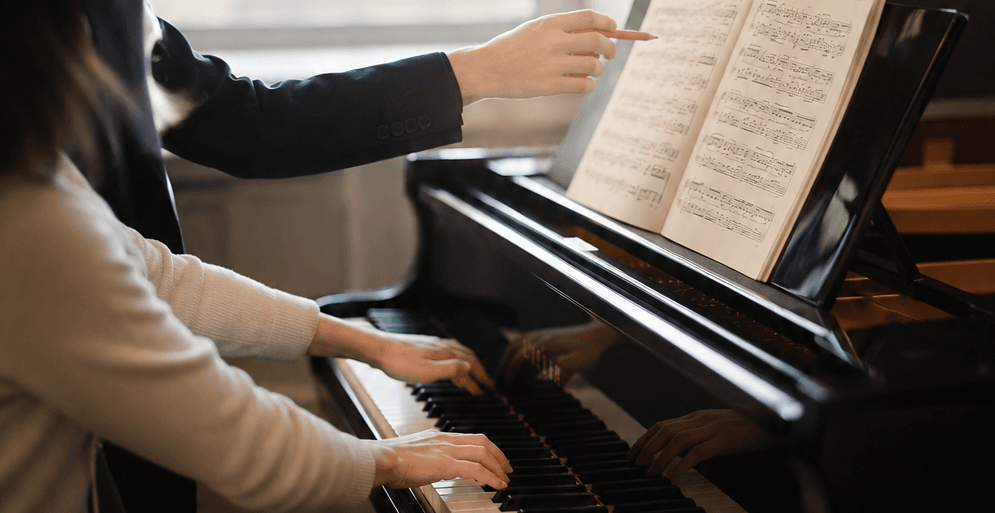
One-to-one classical piano
In person in Ikebukuro or Shinjuku, Tokyo. Online worldwide.
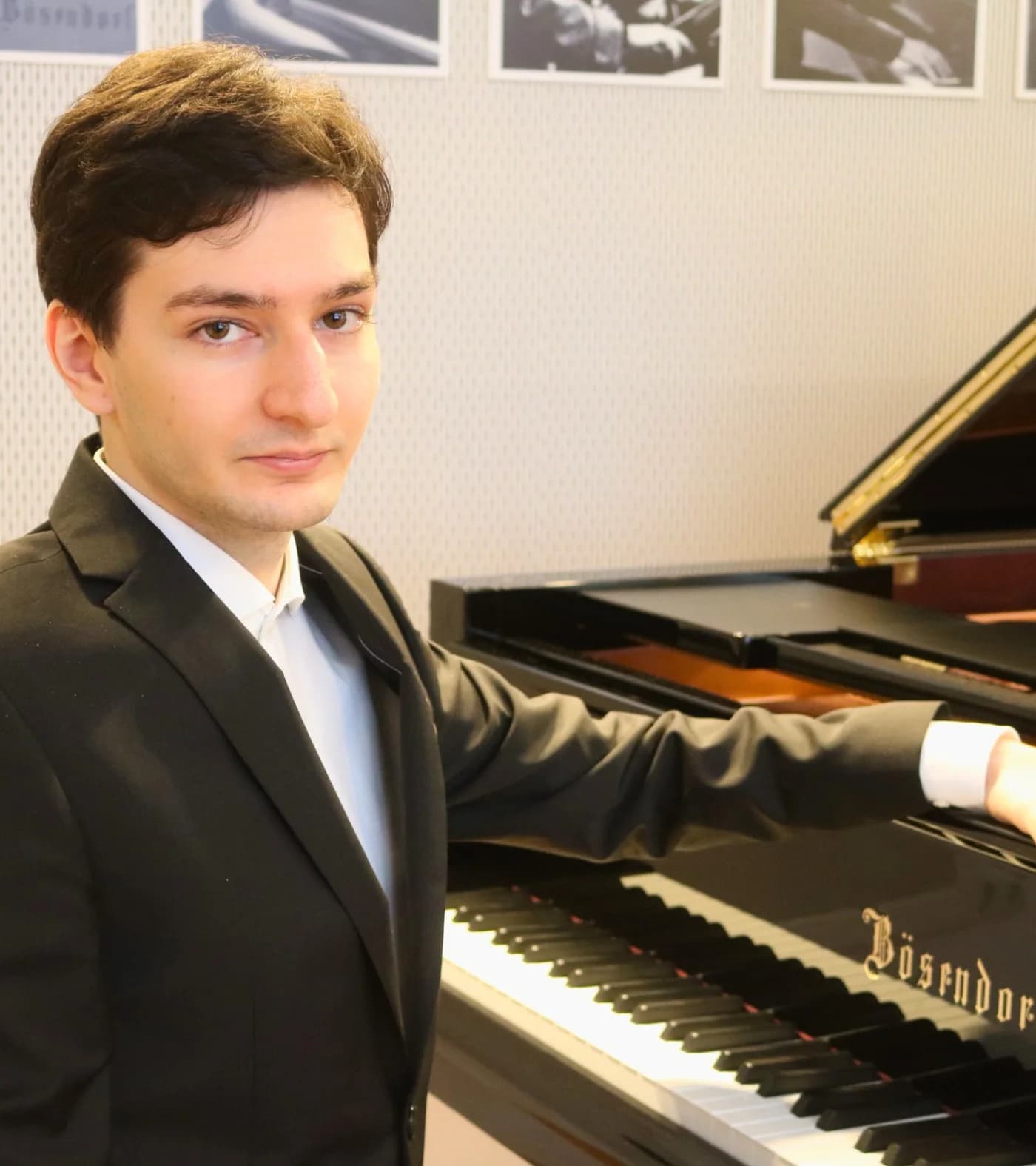
Enea
Concert pianist from Vienna
Pre-launch · Applications open
What useful feedback sounds like
Suppose you play the opening of Burgmüller's La Candeur, Op.100 No.1. The right hand has flowing eighth notes, while the left hand holds one chord through each bar. You know the notes, but the phrase sounds heavy at each new bar.
Burgmüller, La Candeur, Op.100 No.1, bars 1–2.
Scroll sideways to follow the score.
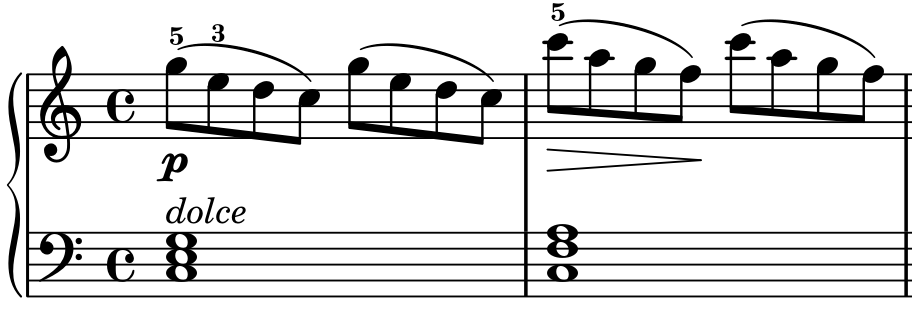
The melody
Can you follow the right-hand phrase as it moves into the next bar?
The new chord
Does the next left-hand attack support that line or draw attention away from it?
“Play more musically” leaves the problem largely untouched. A teacher might instead ask you to listen to the beginning of each left-hand chord, then try a quieter chord while keeping the right-hand phrase similar. Playing the passage again reveals whether the new bass attack was drawing attention away from the melody.
If reducing the left hand changes little, the teacher should listen further. Perhaps the right-hand phrase is stopping before the bar line, or the first note of each group is being struck abruptly. The next suggestion should respond to what happened when you tried the first one.
I also want to know what you hear. If I ask for a different balance, I may have you describe which note became more noticeable. That conversation tells me whether we are listening to the same change. It gives you something to recognise when you practise without me.
The first-eight-bars article explores this kind of listening in more detail. When choosing a teacher, the point is that an explanation should lead to a testable musical difference. You can judge that even when the passage is far from finished.
Explanations and demonstrations
Notice what happens when an instruction does not make sense to you. A teacher may demonstrate, sing a phrase, point to a rhythm in the score or change the physical description. The approach can change while the musical purpose stays clear.
For example, “give the phrase direction” might become a comparison between two versions of the same four notes. In one, each note sounds equally separate; in the other, the notes lead towards a point of arrival. After hearing that comparison, you can try your own version and discuss the difference.
The language should suit your understanding. An adult beginner may want a plain explanation of a tie or a key signature. An experienced player may welcome harmonic analysis and a detailed discussion of fingering. Useful teaching can move between those levels without turning unfamiliar terminology into a test of the student's worth.
Direct correction can be part of a warm lesson. What matters is that you can ask a question, understand the reason for the correction and take part in the musical decision. After the trial, consider whether you felt able to say, “I can hear your version, but I don't yet understand how to approach it.”
Repertoire you want to play
Bring music you care about into the conversation. It may be a piece you can already play, a work you hope to reach, or a composer whose style interests you. Ask what the teacher hears as the next useful step towards it.
A thoughtful recommendation explains the relationship between pieces. If the goal is a lyrical Romantic work, a shorter piece might introduce a sustained melody over a moving accompaniment. If the difficulty is a classical sonata's fast passage, the teacher may work on its particular fingering and articulation within the sonata itself.
You should be able to understand why a suggested piece belongs in your study. A simpler work can expose a musical problem with fewer notes in the way. A more demanding work may remain a longer project alongside shorter pieces. The balance depends on your current playing and the time you can give it.
If examinations, auditions or public performance are part of the goal, mention the actual event and timing. If your main aim is to enjoy classical music more deeply at home, say that too. A teacher can take that ambition seriously through sound, interpretation and increasingly independent practice, without making examinations the centre of the plan.
Sound and communication online
Use part of the trial to hear how the connection carries your piano. Play a short phrase with a sustained note, a change of volume and a little pedal if you use it. The teacher can tell you what arrives clearly and whether the camera shows the movement relevant to the lesson.
Call software sometimes processes sustained piano sound as background noise. Music-audio settings can help; Zoom, for example, provides options intended for music. Ask the teacher how they check what the call is transmitting. The online lesson setup guide covers the equipment side in detail.
During a lesson, teacher and student can alternate demonstrations. Watch whether the teacher gives you room to finish a phrase, then responds to it, and whether you can hear and see their example. A short recording may help with a detail that the live call fails to carry, but its use and any feedback service should be agreed.
For technique, a different camera angle or a slower version can reveal information missing from the first view. The teacher should explain what they want to see. Before buying equipment, test the device and instrument you already have together. That gives any suggested change a specific purpose.
The practice you take away
At the end of the trial, describe the work you would do next. For the Burgmüller example, that might be the first two bars, listening to the new left-hand chord while keeping the right-hand line flowing. It is a much more usable assignment than simply repeating the piece until it sounds better.
Ask how that work will be reviewed at the next lesson. Progress can mean a steadier transition, a different balance, better reading or a clearer phrase. The teacher needs to hear what has changed, including the parts that remain difficult, before choosing the next task.
Discuss your ordinary week honestly. If you can practise three times, the work should have priorities that fit those sessions. During a busy period, a smaller passage may deserve more attention than several unfinished pieces. Ask how the teacher adjusts the scope while keeping a musical goal in view.
Also ask how to keep lesson notes and what contact is included between meetings. A recording, a written summary and detailed video feedback are separate possibilities. Knowing the arrangement in advance helps you use the support that is actually offered.
Fees, scheduling and recordings
Compare the complete lesson arrangement: duration, fee and currency, payment timing, cancellation terms and whether you book individual lessons or a package. For online study, confirm the time zone used for appointments and how seasonal clock changes will affect a recurring time.
If either person wants to record, agree beforehand. The Independent Society of Musicians recommends written consent and a clear policy covering the purpose of recordings, who can access them and how long they are kept. Ask the teacher what their arrangement is; recording should be a conscious part of the lesson agreement.
These questions belong before a longer commitment. They can usually be settled briefly, leaving the trial itself for music. A clear answer about fees or rescheduling is as useful as a clear answer about the first piece.
Choosing after the trial
Write down one thing you heard differently and one thing you would practise next. Then return to the three questions at the start: musical fit, useful teaching and a workable arrangement. You now have an actual lesson to compare with the profile that attracted you.
Pay attention to unresolved questions. If the teacher heard little of your playing, you may still lack evidence of their approach. If the suggested work was unclear, ask for an explanation. If a fixed result was promised without hearing your starting point or discussing practice, ask what that promise is based on.
A productive first lesson can leave you with challenging work. It can also reveal a small, satisfying change in a piece you know well. The useful question is whether you understand the work and want to continue exploring the music with that person.
A trial with Enea
My classical training includes a master's degree in piano performance from MUK Vienna, awarded with distinction, and further study at Mozarteum University Salzburg. In lessons, that background informs the work on sound, phrasing, style and technique at the learner's present stage. You can find the fuller background and performing repertoire on my profile.
Vienna Piano School welcomes adult beginners, returning pianists and experienced players. Online lessons serve learners worldwide; in-person lessons take place at piano studios in Ikebukuro and Shinjuku, Tokyo. The school is preparing to open and accepting applications. Start dates and trial arrangements are confirmed by email.
The first trial is 55 minutes and free. Regular online lessons are US$40 for 60 minutes or US$60 for 90 minutes. In-person lessons are 55 minutes, with a ¥4,800 lesson fee plus an ¥800 room fee, totalling ¥5,600. Apply for a trial lesson with your experience, the music you want to work on and the question you would like to explore.