
Keeping Piano Going at University When Music Is Not Your Degree
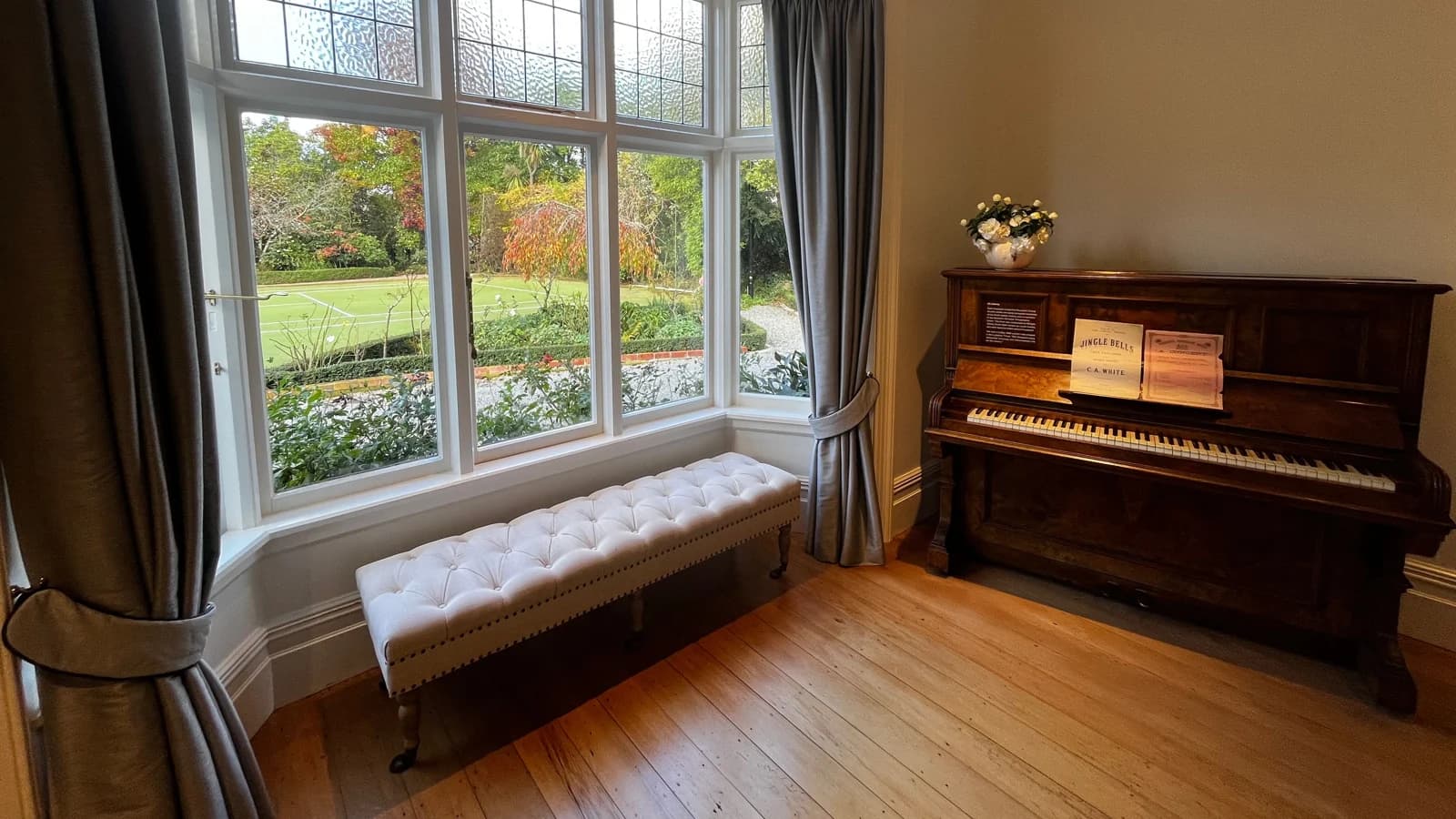
The piano timetable you had at school can disappear quite suddenly at university. A familiar instrument stays at home, lectures finish at different times each day, and a piece that once belonged to a weekly lesson becomes something you play whenever a room happens to be free. Choosing a degree in another subject adds a second question: what do you now want your piano playing to become?
I like to begin that conversation with the music. There may be a sonata movement you want to finish, a friend you would enjoy accompanying, or a few pieces you want to keep ready to play. That gives us something worth protecting when the timetable gets crowded. Then we can choose the amount of new work that fits the term.
- Find an instrument you can actually use during an ordinary university week.
- Choose one main musical project and a familiar piece to keep in your hands.
- Mark the assessment weeks before agreeing a performance or a large new work.
- Tell your teacher when access or workload changes, while there is time to adjust the music.
A place for piano in your degree
Continuing piano can mean several different things. You might want regular lessons and a demanding solo programme. You might prefer chamber music, accompanying a singer, or playing for friends. You may want a quiet hour with a score after a day spent on a completely different subject. Each gives your playing a different centre of gravity.
Choose a result you would enjoy hearing by the end of the term. “I want to play the whole movement with a convincing change of character in the middle” gives a teacher more to work with than “I must keep improving.” It also lets us decide what deserves attention: the transition into that middle section, its different balance of voices, and the return to the opening.
For a student who has recently finished an examination, this can be a welcome change. Exam preparation supplies a repertoire list and a deadline; university life may supply neither. There is room here to follow a musical interest you have postponed. The important choice is its scale. A short work studied closely can include serious decisions about tone, rhythm, articulation and form.
Keep a distinction between a piece you are curious about and a piece you have promised to perform. Exploring the first page of a large work is an enjoyable project. Announcing the complete work for a concert creates preparation demands for every page, including the ones you have yet to read.
Practice access on campus
Before planning the repertoire, try the journey to the piano. A room described as being “on campus” may be a substantial walk from your department. If a gap between lectures includes collecting a key, finding an available room and getting to the next building, the useful playing time can be quite short.
Ask the music department, student arts office or relevant society about eligibility, booking and the instrument itself. Find out whether non-music students can register, whether a room can be reserved, and what happens during examinations and vacations. Visit once with your music. Check the bench, pedals and music desk as well as the keyboard.
Two university policies show why the details matter. Harvard's Music Department makes its practice rooms available to holders of a valid Harvard ID on a first-come basis, with a two-hour limit; it does not permit professional lessons in those rooms. Imperial College London's Blyth Centre requires registration and an in-person induction before access, followed by room bookings. Its grand-piano access has an additional Grade 8 or equivalent requirement. These are arrangements for their eligible university communities. Your own institution's current rules determine what you can book and how you can use it.
For an online lesson, check the room's permission for teaching as well as its internet connection. A practice booking alone may not cover a lesson with an external teacher. If you use a studio off campus, include travel and hire costs in the term's piano budget. The same calculation applies when deciding whether to keep an instrument in student accommodation: permission, usable hours and space belong alongside the purchase or rental cost.
Have a second option for a missed booking. It could be a different eligible room, a paid studio, or a later visit already within reach. A public piano is enjoyable for playing through familiar music; access, interruptions and noise make it a different setting from detailed practice.

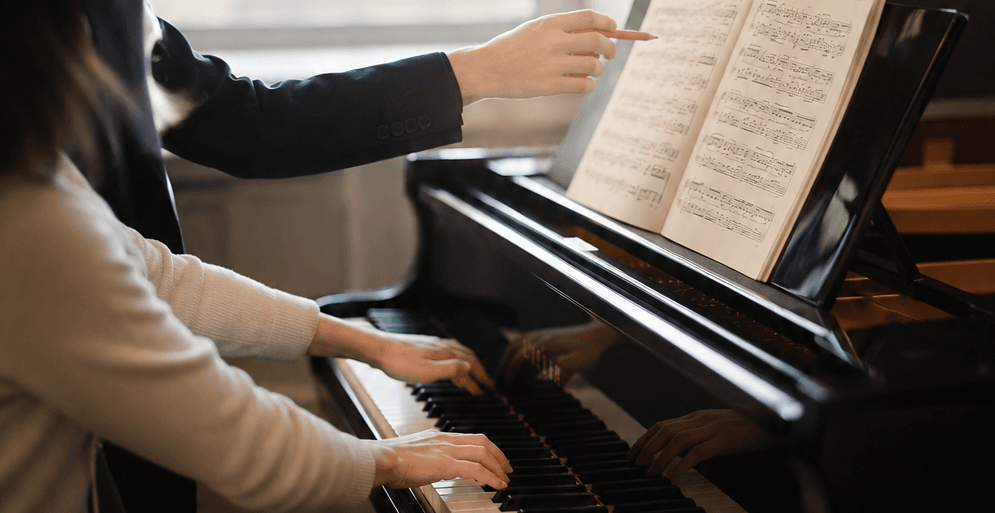
One-to-one classical piano
Beginner to advanced. Online, worldwide.
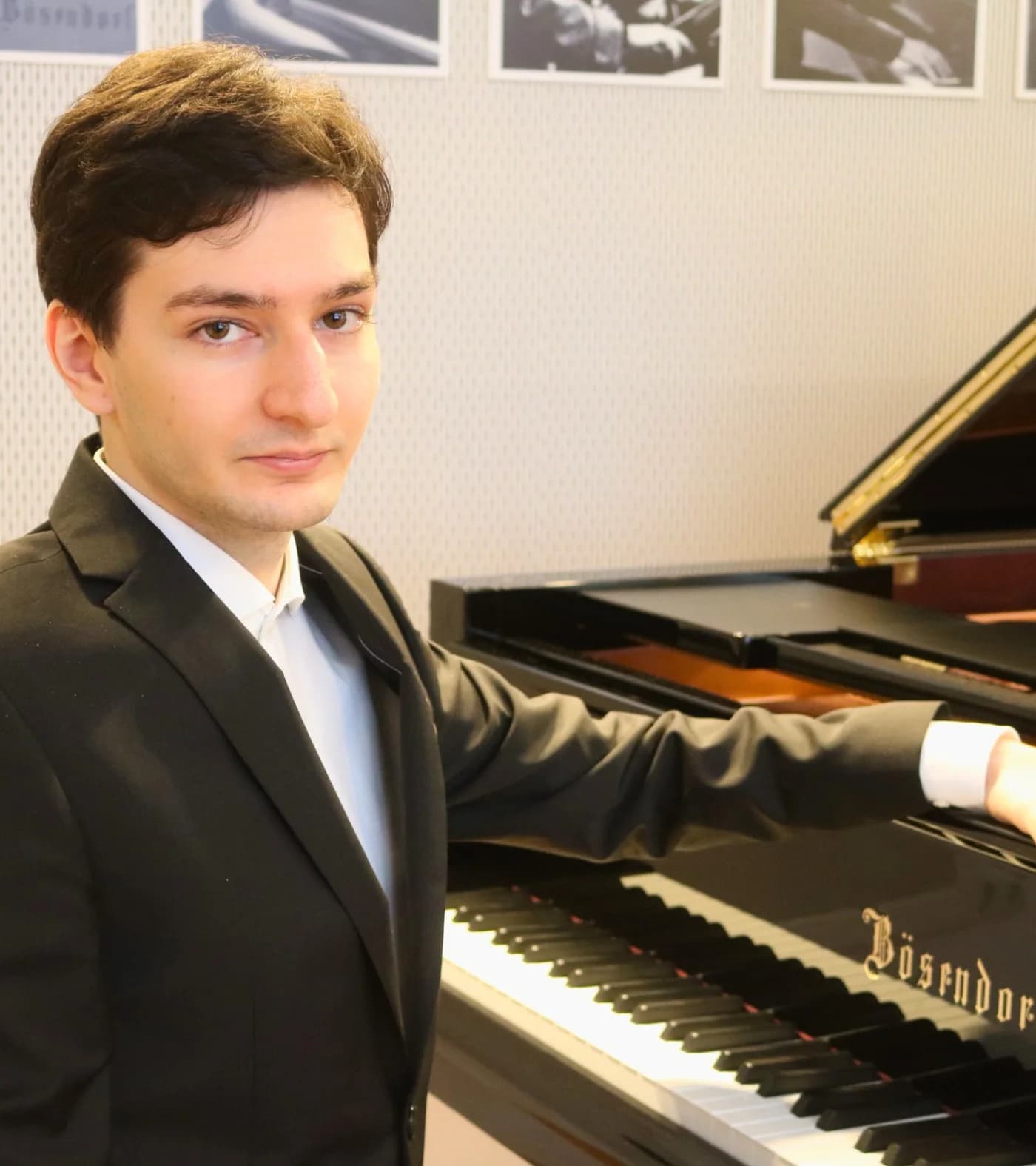
Enea
Concert pianist from Vienna
30 minutes · Ikebukuro & Shinjuku studios from October 2026
Repertoire for the term
I would usually start with one main piece or movement that asks for new work, plus something familiar that the student still wants to play. The familiar piece keeps music in the week while the new one is still being assembled. It also gives us a place to work on sound without spending the whole lesson decoding notes.
Look through the complete new piece together. A comfortable opening can hide a middle section that asks for unfamiliar leaps, denser textures or much more reading. Play a few notes from that section before committing to a date. The question is how its demands fit the access you have, especially during the busiest part of the term.
Suppose you want to finish a movement with a lyrical opening and a quicker middle section. In the first few weeks, learn where the phrases lead and settle the middle section's fingering. Later, connect the sections and work on how the character changes. If assessments interrupt that work, retain the parts already understood and leave a clear starting point for the next section. Starting several unrelated pieces at once would create several sets of unfinished reading to recover afterwards.
Familiar repertoire needs attention too. Play from a point halfway through, listen to the quieter passages, and include the ending. A piece can feel secure because its opening has become a favourite, while its less frequently played pages fade. Keeping it available means visiting those pages as well.
Consider your listening interests when choosing. A concert on campus, a chamber group or a course outside your department may introduce music you would never have found through your previous exam list. Bring the score or recording to a lesson and discuss what draws you to it. That interest can guide the next project after the current one reaches a useful stopping point.
New learning and maintenance
New learning asks you to solve something you cannot yet do: read an unfamiliar texture, settle a movement, or discover how two voices fit together. Maintenance means returning to something you already understand so it stays available. The balance between them can change across a term.
Here is one way an eight-week stretch might develop. The weeks describe a musical project around an assessment period; move the changes to match the actual dates in your course.
One eight-week project
Weeks 1–2
Find the week's piano time
- New learning
- Read the first section and settle its fingering.
- Keep in hand
- Play a familiar piece, including its middle and ending.
Weeks 3–5
Develop the main piece
- New learning
- Learn the contrasting section and connect it to the opening.
- Keep in hand
- Return to the first section's melody and accompaniment balance.
Weeks 6–7
Make room for assessments
- New learning
- Leave the next unread section marked for your return.
- Keep in hand
- Visit the joins and less familiar pages of the music already learned.
Week 8
Hear where the piece stands
- New learning
- Resume the marked section after listening through the earlier work.
- Keep in hand
- Play a complete familiar piece to someone or record it for yourself.
A useful note before an exam break
The opening section is learned. The last phrase still gets louder when the left-hand pattern changes. I settled the fingering at the start of the middle section; next time, begin there slowly and listen for its different character.
At the next lesson, bring this note and the same marked score. The first question is what the passage sounds like now.
Maintenance still involves listening. Choose a phrase whose melody you know, play it with a clear destination, and check that the accompaniment leaves space for it. Or start from a difficult transition and hear whether the next section arrives in the same pulse. This is more informative than running through everything you remember at its fastest familiar speed.
New learning benefits from a point where the task is clearly finished for the day. You might settle the notes and fingering of a short passage, then play into it from the preceding phrase. Mark the place you reached and the remaining question. When another booking comes several days later, you can pick up an actual musical thought.
The distinction also helps with ambitious repertoire. A passage can stay on the longer-term wish list while your current playing develops the reading, voicing or movement it will need. During the term, give the piece on the desk enough attention to become music you can share.
Exam weeks and placements
Assessment periods, laboratory blocks and placements can change more than the number of free hours. You may finish later, travel to another site, or lose access to the piano you normally pass on your way home. Look at those weeks with your teacher before assigning another substantial section.
I would rather hear a student say, “For the next two weeks I can get to a piano twice, and I want to keep this movement playable,” than discover that an unchanged practice plan has become impossible. We can choose the passages that most need a visit and keep a new piece for the return. This is a musical decision about what to retain.
When you have a short visit to the piano, arrive with a small task. In a lyrical passage, sing the melody first, then play it while listening for the same shape above the accompaniment. In a passage with changing hand positions, check the arrival notes and connect them to the surrounding music. Both leave you with something more precise than a hurried attempt to catch up on a whole programme.
Away from the instrument, you can read through the score, follow the bass line, listen for a return of the opening theme, or decide where a phrase changes direction. Choose a question you can later test at the keyboard. Reading and listening contribute to the work; touch, balance and movement still need time at an instrument.
If there is a complete break in playing, leave a short note before it begins. Name the last section studied, the fingering you settled, and the next question. When you return, start below the tempo you remember and listen through the joins. Let the first visit show you what has stayed clear before adding the next new section.
Playing with other students
University can give piano a social purpose that was missing from solitary exam preparation. A singer may need an accompanist, a violinist may want to read a sonata, or a society may organise informal concerts. Making music together introduces a different kind of attention: hearing another player's phrase while keeping your own part moving.
Before agreeing, see the complete music and the proposed dates. Ask how many rehearsals there will be and whether the performance falls near an assessment you already know about. A piano part described as “just accompaniment” can contain substantial reading and coordination work. Choose the commitment after looking at the score.
The preparation changes too. In solo practice you may restart whenever a note goes wrong. In an ensemble, practise finding the next phrase while the pulse continues. Know where the other player enters, which rests lead to your own entry, and which landmarks you can both name. At a rehearsal, hearing a missed entry together can be more useful than spending the whole time polishing the opening.
For a first collaboration during a busy term, a short complete piece gives you an attainable shared ending. Leave time to hear it together more than once. The reward is more than a performance date: another person's phrasing can make a familiar line sound different to you.
Lessons through university
A lesson can hold the larger musical picture while your practice time varies. Bring the work as it stands, including the unfinished section. I can hear more from a short passage and an honest account of what happened than from a polished opening played to conceal the part that stopped progressing.
Useful information is quite simple: the next assessment period, the instrument you can use, and the place in the piece where you want help. If the problem is balance, we can listen to a melody and its accompaniment. If it is a transition, we can start on both sides of it and decide how to join them. Then the week's practice has a purpose that survives a changing timetable.
Discuss any temporary change to lesson arrangements with the teacher in advance. A period with less new repertoire might still support useful work on listening, interpretation or an existing piece. If you take a break, agree what music to bring when lessons resume. For a more detailed way to investigate a stubborn passage, see the diagnostic piano practice guide.
When you move between university and home, take the same annotated score with you. Changes of fingering, phrasing and practice priorities belong in one place. If you work on different instruments, mention differences that affect the playing, such as a pedal response that makes the same passage sound much more blurred. Those observations can become part of the lesson.
A musical end to the term
Choose a small occasion to hear what has developed. Play the movement to a friend, make a recording for your own listening, or take part in a suitable student performance. Include the opening, transitions and ending in the preparation, so the piece has a shape beyond its hardest passage.
Afterwards, listen for one musical change you value. Perhaps the melody carries across a quieter accompaniment, the middle section keeps its pulse, or an ensemble entry feels shared. Use that observation when choosing the next term's work. Over several terms, these completed musical experiences give continuity to playing alongside another degree.
Vienna Piano School offers lessons for students who want to keep developing their piano playing through university. Online lessons are available now, with in-person lessons at piano studios in Ikebukuro and Shinjuku, Tokyo from October 2026. Regular lessons last 55 minutes and cost US$35 online or US$40 in person; there is a free 30-minute trial. In your lesson enquiry, tell us what you are playing, what instrument you can use, and what you would like to work towards. For students under 18, a parent or guardian should contact us and give consent.