
HMT Leipzig Piano Auditions: Repertoire, Video and Entrance Tests
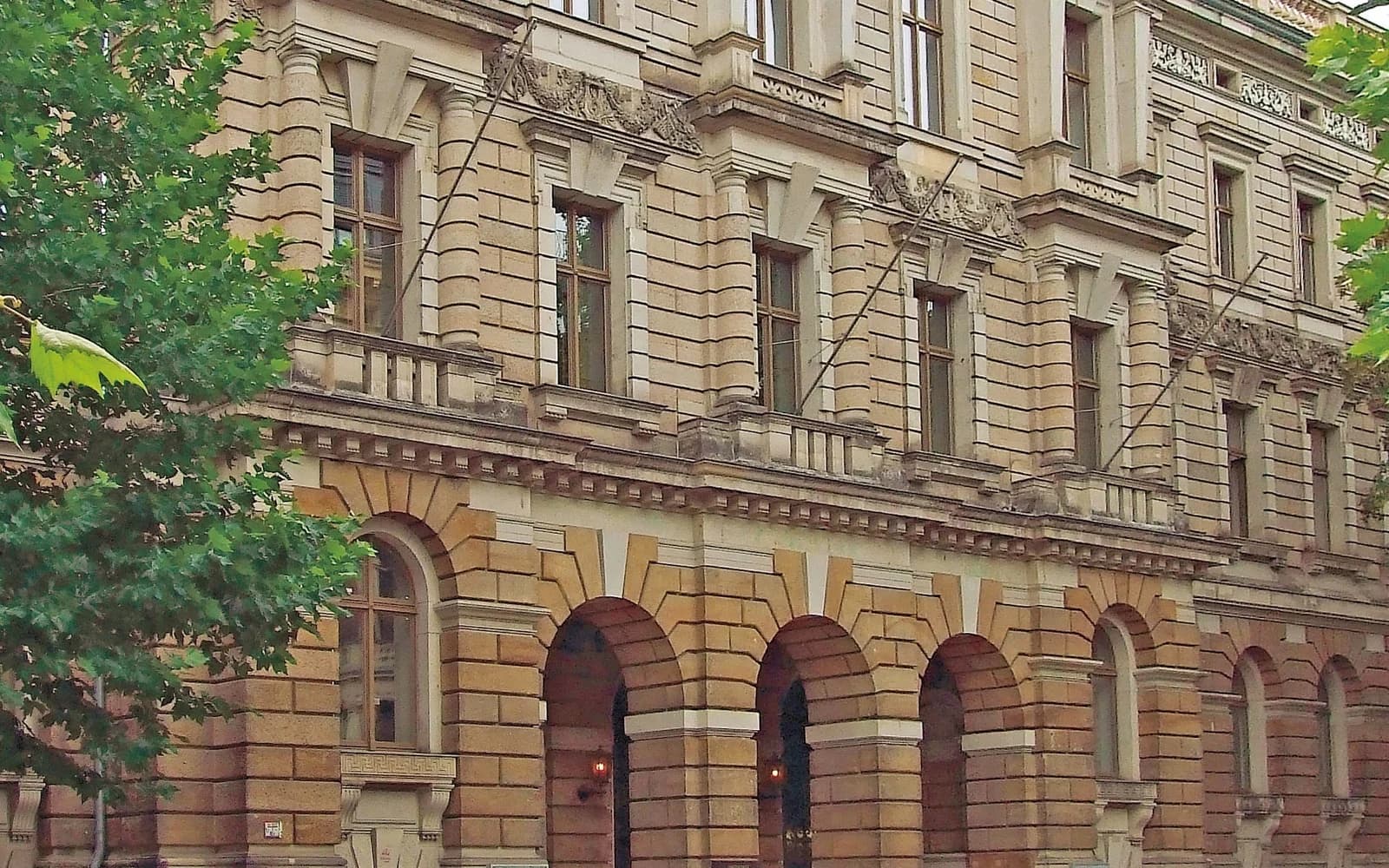
For a first-semester piano Bachelor of Music application at HMT Leipzig, prepare a broad live programme and a shorter screening video drawn from it. The application also involves spoken German, music theory and aural work. A pianist who spends every available hour polishing the video can arrive with a convincing recording and a much less convincing complete programme.
I would begin with the music you can sustain in front of a listener: which works already have a clear shape, which still depend on a familiar sequence of finger movements, and where your sound becomes less controlled. Leipzig’s requirements then give that conversation a precise framework.
- Course: first-semester classical piano BMus, rather than jazz piano, a teaching degree or a master’s programme.
- Repertoire: five categories for the live audition; selected passages for video screening.
- Musicianship: German communication, written theory and aural preparation alongside the piano.
- Next intake: the published piano calendar points to winter 2027/28, with applications in March 2027.
The course and application dates
HMT Leipzig’s piano bachelor is an eight-semester, 240-credit course that develops an artistic and/or pedagogical profile. Its curriculum includes chamber music, accompaniment, theory and teaching work as well as the principal piano lessons. That breadth is useful context for the entrance tests: the university is admitting a developing musician who will work with other people and engage with music beyond a solo programme.
For winter 2027/28, the published application window is 1–31 March 2027, with uploads due on 31 March. The live music entrance examinations are scheduled for 31 May–5 June 2027, and study begins on 4 October 2027. The piano row explicitly lists no admission procedure for summer 2027. First-semester bachelor entry normally begins in winter anyway; the summer dates elsewhere on the website concern other routes.
The piano sheet lists an age limit of 25 at the start of first-semester study. Check formal eligibility early, including how your school qualifications are assessed. The general bachelor regulations provide for an exception to the school-leaving qualification requirement where particular artistic aptitude is established; an applicant should have the university confirm how that applies to their documents.
Applications go through HMT’s own online portal. The current procedure calls for uploaded documents including the signed application, CV and payment evidence, together with the course’s recording requirements. Saving an application in progress does not submit it: the portal’s submission step is Antrag abgeben. The current piano document linked by the university is dated January 2026; use it together with the current calendar and check for a replacement when the application period opens.
Five repertoire categories
The live bachelor programme has five works. The comparison below separates the requirement from a musical question I would ask in a preparation lesson.
01
Baroque
One work
Can the listener follow each voice as the texture changes?
02
Classical, including Schubert
A complete sonata or variation work
Do the slow movement, finale or later variations have the same depth of preparation as the opening?
03
Romantic
One work
Does the melody retain its direction through changes of harmony and accompaniment?
04
20th or 21st century
One work
What is distinctive about this work’s rhythm, colour and notation?
05
Virtuosic étude
One étude
Does the musical line remain audible through the technical demands?
A persuasive programme gives each work a character of its own. In a Baroque movement, for example, the listener should be able to follow a returning subject through a changing texture. A Romantic work may ask for a melody sustained across a shifting accompaniment. The pianist’s task changes even when both passages happen to contain an expressive right-hand line.
I often ask a student to play the beginning of two contrasting works consecutively. The difference ought to be audible before either piece reaches its most impressive passage. Listen to the bass, the length of the articulation and the way the phrase breathes. If everything has the same weight and the same wash of pedal, changing composers on the programme has not yet produced much stylistic range.
The étude deserves the same musical attention. A rapid passage has direction, harmonic tension and changing points of emphasis. When a student can play the notes but loses the line at a smaller dynamic, I hear a limitation worth working on before adding more speed. Choose a work whose technical demands allow you to make these decisions audibly throughout the piece.
The five-category structure also exposes gaps. A student may have several substantial Romantic pieces but little recent experience with unfamiliar twentieth-century notation. Adding that repertoire involves learning how to read its rhythm, texture and sound world. Give it a place in the regular lesson while the familiar works are still being developed.

One-to-one classical piano
Beginner to advanced. Online, worldwide.
Enea
Concert pianist from Vienna
30 minutes · Ikebukuro & Shinjuku studios from October 2026
A complete Classical work
The word complete matters in Leipzig’s Classical requirement. Preparing a sonata means developing its later movements as fully as its opening. Schubert is included in this category. A complete variation work is the other stated option.
Consider a student whose first movement has been performed publicly but whose slow movement has only been read through. The audition programme may look nearly finished on paper, yet the remaining work asks for a different kind of control. Long notes expose the quality of the initial sound; a simple accompaniment exposes unevenness; a return of the melody exposes whether the pianist has heard what changed in the middle section.
In a lesson, I would take a short passage from that slow movement and reduce it to melody and bass. We would listen to where the harmony becomes less settled and where it comes home. Then the inner notes return. The musical shape should survive, with the added texture enriching the phrase rather than burying it. This is also a useful test of whether the tempo has been chosen for the line or simply for comfortable fingers.
A finale can reveal another weakness: a tempo that works for the first page but leaves no room for later texture or articulation. Try the opening, a denser passage and the return at the same underlying pulse. A slight adjustment may allow the whole movement to speak with considerably more character. The choice belongs to the complete movement, not just its first burst of energy.
For a variation work, listen across changes of figuration. Some variations preserve the theme’s phrase lengths closely; others transform its pace, register or character. Identify what remains recognisable and what each variation changes. Playing them as separate technical studies can obscure the larger journey. I want to hear why one variation follows another, including how much silence or preparation belongs between them.
This work continues even if the panel eventually hears only an excerpt. It gives the pianist a conception of the whole piece and several meaningful places from which to begin.
The screening video
Leipzig asks for at least one minute of introduction in German before playing, followed by at least ten minutes of music selected from the entrance programme. The recording must be no more than two months old at the start of the application period. It should show your face, upper body and hands, with clear sound and a description identifying works and their starting times.
Choose passages that reveal different aspects of your playing. A long stretch of equally brilliant figuration may give less musical information than a selection that also includes sustained tone, independent voices and a change of character. The recording should represent work you can continue to develop into the full live programme.
An excerpt needs a musical beginning. Dropping straight into the most difficult bars can conceal the phrase that makes them meaningful. Listen from a little before the passage: can someone encountering the piece hear its direction and understand the change when it arrives? A transition or return may reveal more about interpretation than another isolated climax.
The camera also changes how we listen to ourselves. At the instrument, the physical effort of a leap can feel dramatic; on playback, the listener may hear an unnecessarily heavy arrival. In a soft passage, the opposite can happen: what felt delicately controlled may barely carry a melody. A useful recording review compares the intended musical effect with the sound that actually reached the microphone. Our guide to listening to your piano recording develops that approach.
Make a trial recording early enough to adjust the microphone position and your performance. Then return to the complete works. A polished selection should sit inside a prepared programme.
German at the piano
The bachelor regulations require foreign applicants to demonstrate at least B1 German through a recognised language examination. Formal language evidence and the spoken video introduction serve different purposes. Arrange the accepted certificate and submission timing with HMT; the introduction is a chance to explain your musical background and interest in studying there in your own words.
A useful introduction has something particular to say. Perhaps chamber music has made you more interested in listening across a texture, or teaching a younger learner has changed the way you understand articulation. Describe an experience that belongs to you and explain the next musical question it has raised. An elaborate speech about the prestige of the institution can reveal surprisingly little about the applicant.
A practice excerpt to develop within the longer introduction.
- German
- Beim gemeinsamen Musizieren habe ich gemerkt, wie wichtig es ist, auf andere Stimmen zu hören. Im Studium möchte ich meine Klangvorstellung weiterentwickeln und mehr Kammermusik spielen.
- English
- Playing with others has made me realise how important it is to listen to other voices. During my studies, I want to develop my conception of sound and play more chamber music.
Give the idea a musical example
Choose a moment when another instrument took over the melody. Describe how you changed the piano’s balance, then demonstrate the passage. A real musical experience gives the introduction substance.
Als die Geige die Melodie übernommen hat, habe ich die Begleitung leiser gespielt und genauer auf ihren Atem gehört.
When the violin took over the melody, I played the accompaniment more softly and listened more closely to its phrasing.
The example is deliberately an excerpt. Build the required introduction around your own background, musical interests and reason for choosing Leipzig. Practise speaking at a pace you understand, including the names of the works and composers you mention. If you lose your place, resume from the next idea instead of trying to recover a memorised paragraph word for word.
German also belongs in ordinary preparation at the keyboard. Take a phrase such as ab dem zweiten Thema, meaning “from the second theme”, and find the starting point in the score. Then say what you are changing there: a lighter accompaniment, a more sustained bass or a less hurried transition. Vocabulary becomes usable when it has a sound and a place in the music.
I like to alternate explanation and playing. After a student describes a more singing tone, I ask to hear it, then ask what changed in the accompaniment. That exchange develops musical precision in both languages. It also reveals when a familiar adjective has been covering a decision the pianist has not yet made.
Theory and aural tests
First-semester applicants also take written aural and theory papers, approximately 90 minutes in total. The current preparation page says both are required even where an applicant has previous study credits. If a written component is failed but the main piano audition is passed, admission requires a successful oral re-examination. Passing the piano audition alone therefore does not settle the outcome.
HMT publishes separate sample papers for bachelor musical disciplines other than jazz/popular music. Those are the relevant starting point here, rather than the teaching-degree materials nearby. The examples include hearing and notation, intervals and chords, and written musical analysis. In the two-voice dictation example, keyboard applicants are asked to notate both the upper and lower voices. Read the tasks with a pencil in hand: recognising the topic is different from completing its requested notation accurately and on time.
For a pianist, the gap often lies between the ear and the written answer. You may recognise a dominant sound in repertoire and still hesitate when asked to spell a chord above a given bass. Or you may name an interval correctly on paper but lose it when it appears within a moving line. Those are distinct problems, and they need different practice.
Take a cadence from a piece you know. Hear the bass without playing the right hand, then sing or describe the upper line before restoring it. Notice which notes move by step and which remain. Write down a short portion from hearing, then compare it with the score. This connects a familiar musical event with the listening and notation skills the papers demand, without turning every practice session into an exam rehearsal.
The sample paper also gives useful information about the format of the response. Practise reading the instruction before answering. In German, benennen asks you to name something, while notieren asks you to write it down in notation. A wrong answer can begin with a misunderstood verb even when the musical knowledge is there.
Memory and the live audition
The live programme is played from memory, with an exception allowing a contemporary work to use the score. Check an uncertain repertoire choice directly with the department. A twentieth-century date by itself does not resolve every question about that exception.
For the other works, memory should include sound, harmony and structure. Ask where you are in the piece when the texture changes, what bass leads into the next section and how a later return differs from the opening. These landmarks become especially valuable when two passages feel similar under the fingers but lead to different places.
I would test this by starting at a meaningful interior point and hearing the music just before it mentally. Beginning with the right notes is only half the task. The tempo, character and direction should also be present. If the entry sounds detached from the piece, restore the preceding phrase and listen for what carries across the boundary.
The panel may stop a work. Rehearse moving calmly from one requested passage to another, taking a moment to hear the new tempo before playing. An interruption can feel abrupt after months of practising complete performances; experience with this format helps preserve the musical character of the next entry.
A live hearing also brings an unfamiliar piano and room. On a resonant instrument, a habitual pedal depth can blur bass changes. In a drier room, repeatedly striking the melody harder can make it harsh. Listen first to the length of the sound and adjust the balance, articulation and pedal together. Your preparation should leave you able to respond to the instrument while keeping the phrase intact.
Preparing with a teacher
Bring the Leipzig requirements, your proposed five works and a recent recording to a preparation lesson. I would want to hear both an established piece and something still developing. The comparison shows where the programme needs musical work, how much new repertoire is involved, and which language or musicianship skills deserve regular attention.
At Vienna Piano School, I offer piano audition preparation and music-focused German support. Lessons can address repertoire, interpretation, spoken musical explanations and communication with prospective professors. For learners of junior-high-school age and adults, online lessons are available now; in-person lessons at piano studios in Ikebukuro and Shinjuku, Tokyo, begin in October 2026.
You can use a free 30-minute trial to discuss your intended course and current programme. Include HMT Leipzig and the intended entry year in your enquiry so we can begin with the right requirements.